The Guide Issue 10
Why You Stop Smelling Your Own Perfume
Why can’t I smell my perfume anymore? Because your nose is working, not failing. It tunes out any smell that stays constant, and yours is the most constant.
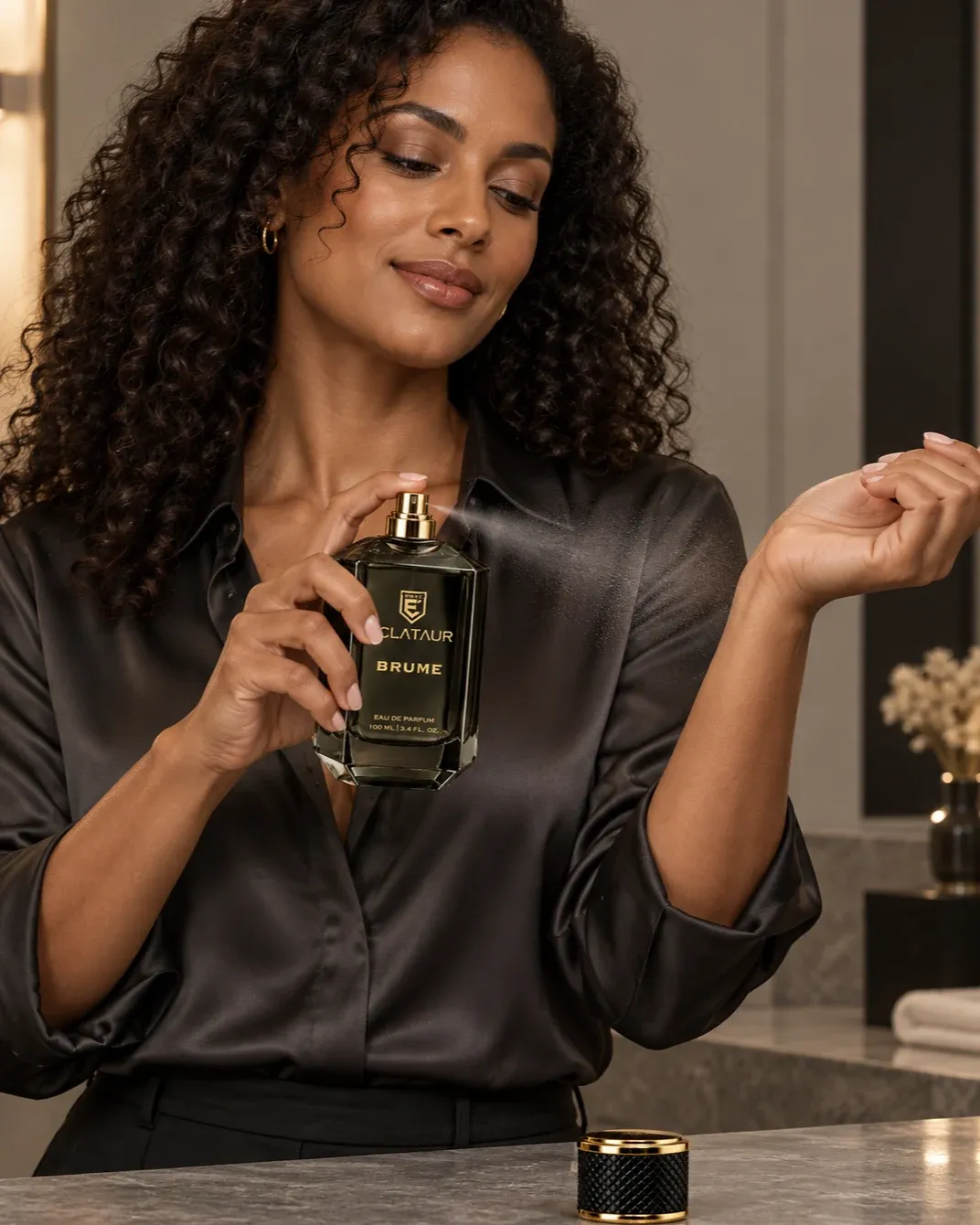
You stop smelling your own perfume because your nose is working, not failing: it tunes out any smell that stays constant, and yours is the most constant thing near it. Spraying more makes the adaptation worse. A minute away from the scent resets it. The one exception is inherited and permanent: some people cannot smell certain materials at all.
Why can’t I smell my perfume anymore? Because your nose is working, not failing. It tunes out any smell that stays constant, and yours is the most constant. The fragrance is still there; the people beside you can smell it clearly. What has changed is not the bottle, and not your skin, but the part of your brain that decides which smells are worth your attention.
This is the question the house is asked most often in the weeks after a bottle arrives, and it is the one whose usual answer, spray more, does the most harm. This guide explains what is happening, why the extra sprays make it worse, how to reset your nose in a minute, and what it means for testing a fragrance before you buy it. It also covers the one exception, which is inherited and permanent: some people cannot smell certain materials at all, musk above all, and that is not fatigue.
What Is Happening in Your Nose
Smell is built to notice change. A smell that arrives is information; a smell that stays is background, and your senses are tuned to drop the background so that the next new thing can get through. Scientists call it olfactory adaptation, and it works in two places at once.
The Receptors Quieten
The cells high in the nose that catch aromatic molecules respond strongly to a new smell and then, if it keeps coming, respond less and less. They are not worn out; they are reporting that nothing has changed. Step away from the smell and they recover quickly.
The Brain Files It Away
Even when the receptors are still firing, the brain learns that this particular smell is yours, is safe, and is always there, and it stops raising it to your attention. This is the deeper layer, and it is why a fragrance you have worn for months can seem to vanish within minutes of applying it while a stranger’s reads loud across a room.
Change Resets It
Both layers reset the moment the smell changes or disappears. Walk outside, breathe something else, come back, and the fragrance is there again for a few breaths before it fades into the background once more. That is the whole system working as designed, and it is the key to every fix below.
The fragrance did not leave. Your attention did. They are easy to confuse, and only one of them can be fixed with a bottle.
When It Is Not Fatigue: The Materials Some People Cannot Smell
There is a second reason a fragrance can seem to vanish, and it is not fatigue at all. Some people are born unable to smell one particular material while smelling everything else normally. The trade calls it specific anosmia. It is inherited, it is permanent, and no amount of fresh air brings the smell back. Musk is the famous case: a good share of people cannot smell certain musks at all, especially the large, soft, clean ones in the base of most modern fragrances. The amber material ambroxan is another.
Temporary
Nose Fatigue
Happens to everyone. The whole fragrance fades for you, not for the people beside you, and it comes back after a minute of fresh air. It is worst with the fragrance you wear most, and it resets with change.
Permanent
Specific Anosmia
Happens to some people, from birth. One material is missing, not the whole fragrance: the opening and heart are there and the base seems thin, every time, with every bottle that leans on that material. Fresh air changes nothing; someone beside you can smell the part you cannot.
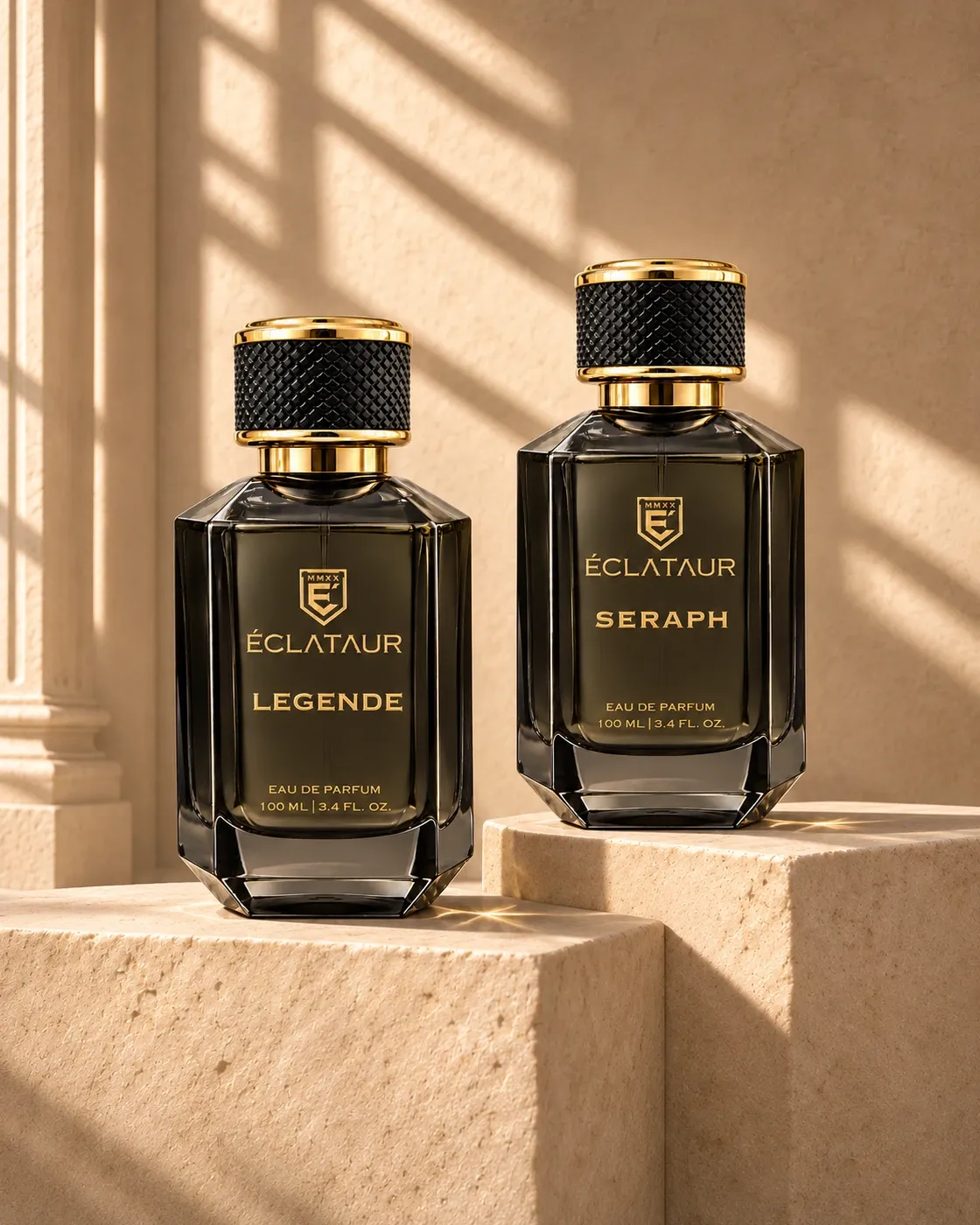
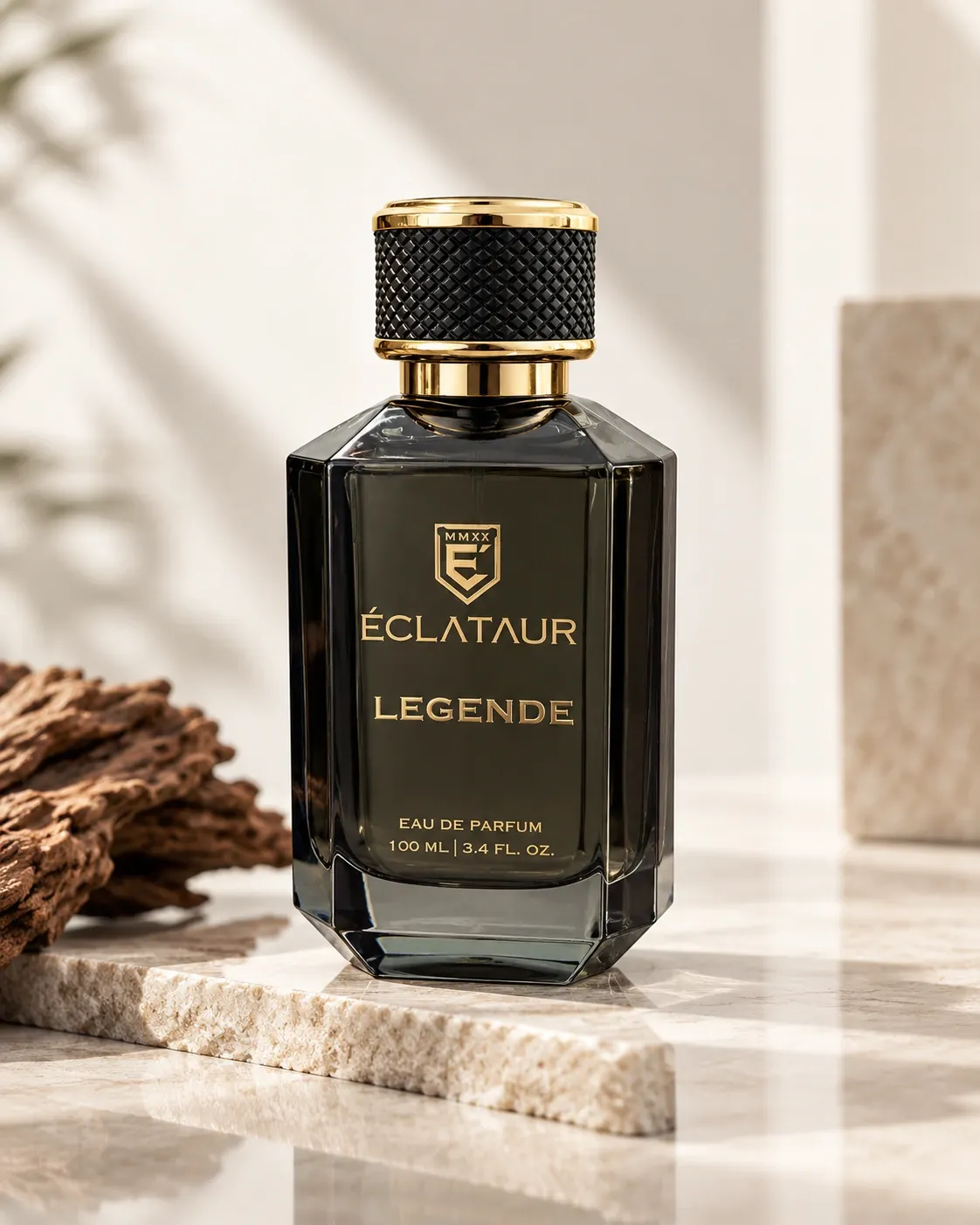
This matters more than it sounds for the house’s own bottles. White musk sits in the base of most of the collection and ambroxan in several of its brightest compositions, so a person who cannot smell them will honestly find the dry-down thinner and shorter than everyone around them does. It is the most common reason two people disagree about how long a fragrance lasts, and neither is wrong. It is also why the notes are printed on every page: if you know you cannot smell musk, choose a base that leans on woods and resins instead, the labdanum and benzoin of BRUME, say, or the praline and sandalwood of SERAPH, and the last hours will be there for you too. The amber guide explains where those materials sit.
How to tell which you have: fatigue comes back after fresh air and anosmia never does; fatigue takes the whole fragrance and anosmia takes one part of it; and in both cases the person beside you is the judge.
The Trap: Spray More, Adapt More
The instinct when a fragrance seems to fade is to apply more, and this is where the harm happens. The extra sprays do reach your nose, for a moment, and then your senses adapt to the higher level just as they adapted to the first. Now you cannot smell it again, but everyone around you can, and at a strength the fragrance was never meant to carry. The people who are told their perfume is too strong are almost never the people who can smell it.
The test is simple. Ask someone who has not been near you for an hour: smelling it at arm’s length means it is doing its job; smelling it across the room means you have reapplied too often. The guide to the dry-down covers application in full; the rule that matters here is to decide how much to wear before you put it on, and never to add to it on the evidence of your own nose.
How to Reset Your Nose
None of these take more than a minute, and they work because they give your senses something different to notice.
Breathe Different Air
Step outside, or into another room, and breathe normally for a minute. Fresh air clears the receptors faster than any trick. When you come back the fragrance will be there, briefly and clearly, which is the moment to judge it.
Smell Your Own Skin
Smell an unscented part of yourself, the inside of an elbow or the back of a hand you did not spray. Your own skin is the most neutral smell you know, and it gives the brain a baseline to compare against. The coffee beans in perfume shops do the same job with more theatre; any neutral smell works.
Rotate
The deeper layer, the brain’s filing, runs deepest for a fragrance you wear every day. Two or three fragrances worn in turn keep each one new enough to notice. This is the honest case for a small wardrobe rather than one signature bottle; the families guide is the place to find a second direction, and The Pair is two bottles chosen together.
Judge It Later, Not Sooner
The moment you most want to reapply, in the afternoon, is the moment your nose can tell you least. Decide your dose in the morning, from the arm’s-length test and from what people have told you, and keep to it.
Why This Matters When You Test a Fragrance
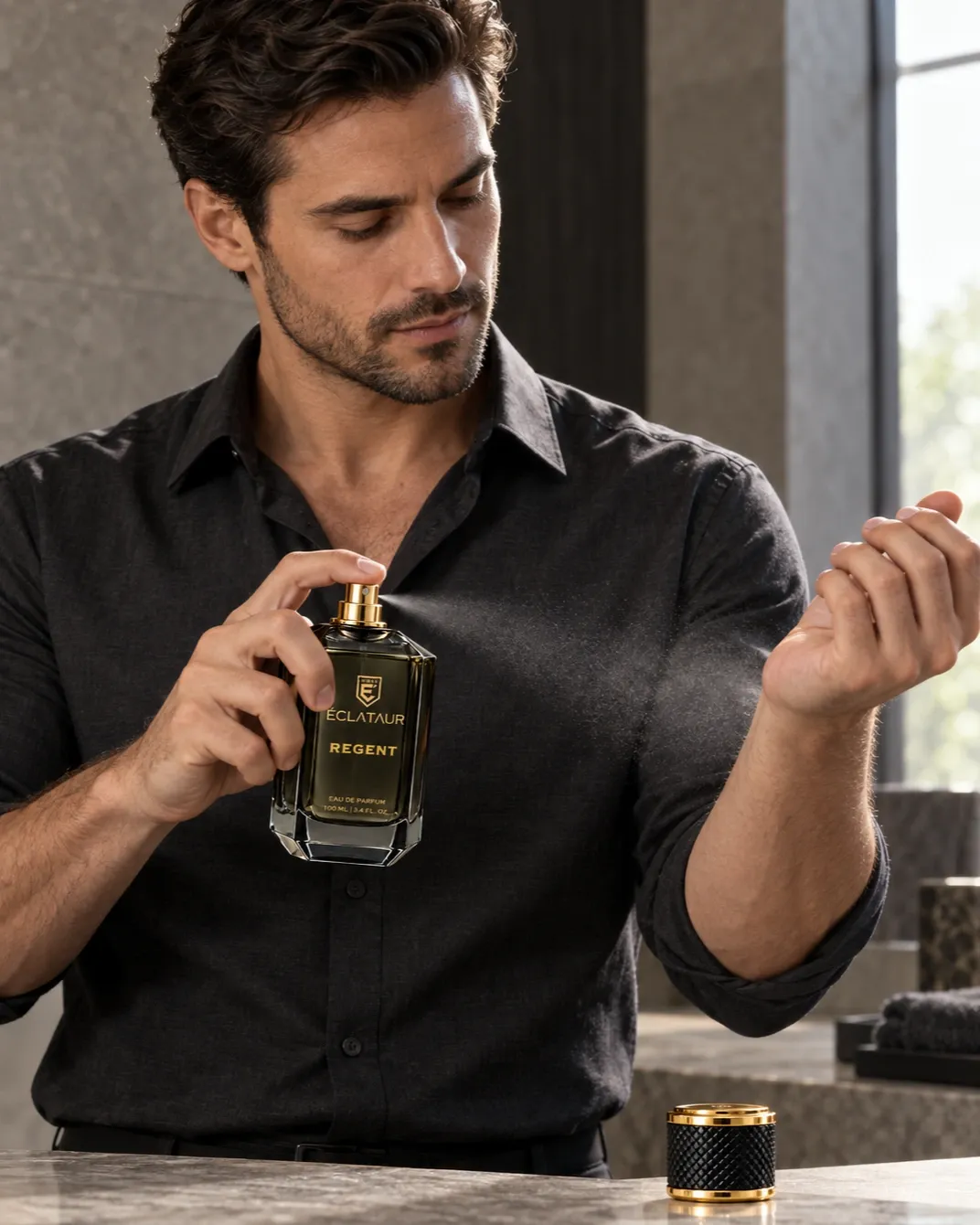
Adaptation is also why a shop counter is a poor place to choose a perfume. After the third strip, your nose is reporting on the room rather than on the bottle, and every fragrance after that reads flatter than it is. It is why the house asks you to test on skin, one fragrance at a time, through a whole day, and why the Prelude exists: testers worn at home, where your nose is rested and the only thing to compare is yesterday.
When you do test, give each fragrance a clean start: one in the morning, on a day when you wore nothing the day before; smell it as you apply it, step away, and come back to it through the day with fresh air in between. Judge the dry-down in the evening, when the lightest materials have gone and what remains is the part of the fragrance you will live with. The testing guide sets out the whole method.
Nose Fatigue and the Dry-Down
A fragrance changes shape through the day, and adaptation hides the change from the person wearing it. The bright opening is gone within the morning by design; the heart carries through the middle of the day; the base, the warm and quiet part, is what remains in the evening. To the wearer, the whole arc can seem to end by lunchtime, because the base is the most constant smell of the three and the one the brain files away first.
This is why a fragrance built on a proper base, the subject of the VELUM article, can feel as though it has vanished while still reading warm and close to everyone else. To know what your fragrance is doing in its last hours, ask the person beside you at dinner, not your own nose.
Smell, Memory and Why Familiarity Fades
Smell is wired more directly to memory and emotion than any other sense, which is why a fragrance can bring back a room or a person in an instant. The same wiring is what makes your own fragrance disappear: it has become part of you, and the brain does not announce what is already part of you. The people who notice your perfume are the people for whom it is still news, which is, after all, what you wore it for. A second fragrance worn in turn, or two layered as the layering guide describes, makes it news to you again.
For a plain account of how the sense of smell works, Britannica’s entry on smell is a sound starting point, and Fragrantica remains the most useful public record of how the people wearing a fragrance describe its wear.
Why Can’t I Smell My Perfume: Your Questions Answered
Why can’t I smell my perfume anymore?
Because your senses tune out any smell that stays constant, and your own fragrance is the most constant smell you carry. The receptors in your nose respond less to an unchanging smell, and your brain stops raising it to your attention. The fragrance is still there; others can smell it clearly.
Can other people still smell my perfume when I can’t?
Almost always, yes. Adaptation happens in the nose of the wearer, not in the air. Ask someone who has not been near you for an hour: if they can smell it at arm’s length it is doing its job, and if they can smell it across the room you have reapplied too often.
How do I reset my nose?
Breathe fresh air for a minute, or smell an unscented part of your own skin such as the inside of an elbow. Both give your senses something different to notice, and the fragrance will be clear again for a few breaths when you return to it. Rotating two or three fragrances keeps each one easier to notice over the months.
Do coffee beans really reset your sense of smell?
They help in the same way any strong, neutral, unrelated smell helps: they give the nose a change to notice. There is nothing special about coffee. Fresh air works as well, and your own unscented skin works better, because it is the baseline your brain already knows.
Should I spray more perfume if I can’t smell it?
No. The extra sprays reach you for a moment and then your senses adapt to the new level, while everyone around you now smells more than the fragrance was built to carry. Decide your dose in the morning, from what people have told you, and keep to it through the day.
Why can some people not smell musk?
Specific anosmia: an inherited inability to smell one particular material while smelling everything else normally. The large, soft, clean musks in the base of most modern fragrances are the common case, and the amber material ambroxan is another. It is permanent and it is not a fault. If you cannot smell musk, choose fragrances whose base leans on woods and resins, and the dry-down will be there for you.