
The materials, by family
Ingredients
Every note on every ÉCLATAUR page is a material in this registry, photographed and described in two lines: one the way the house hears it, one the way the trade names it. A note is a smell you can name; an accord is several materials built to read as one. The families below are how the perfumer sorts his palette, and each material page says which fragrances carry it and where.
How to read a note listNatural and synthetic materialsIngredients, safety and sustainability
Last updated October 20, 2026
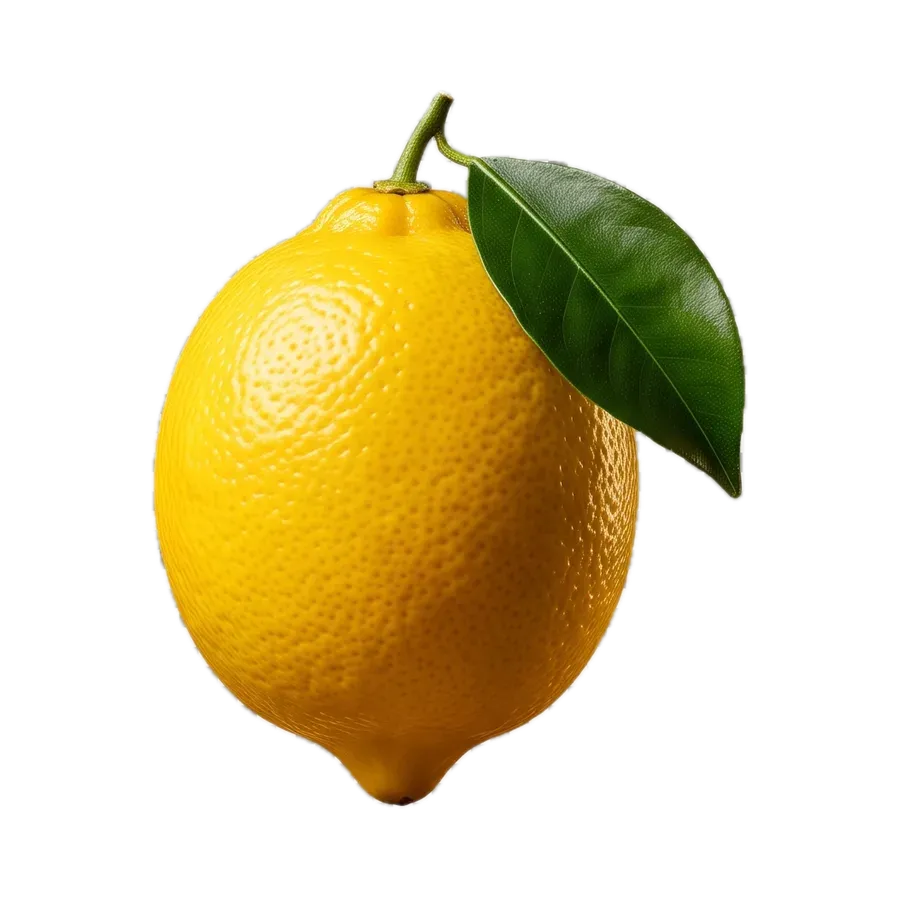 Citrusseven materials, six in the bottlesThe citrus materials are the oils pressed from peel, and they are where most of the house’s fragrances begin: bright, slightly bitter, gone within the opening by design. Bergamot leads, and the others set its tone.
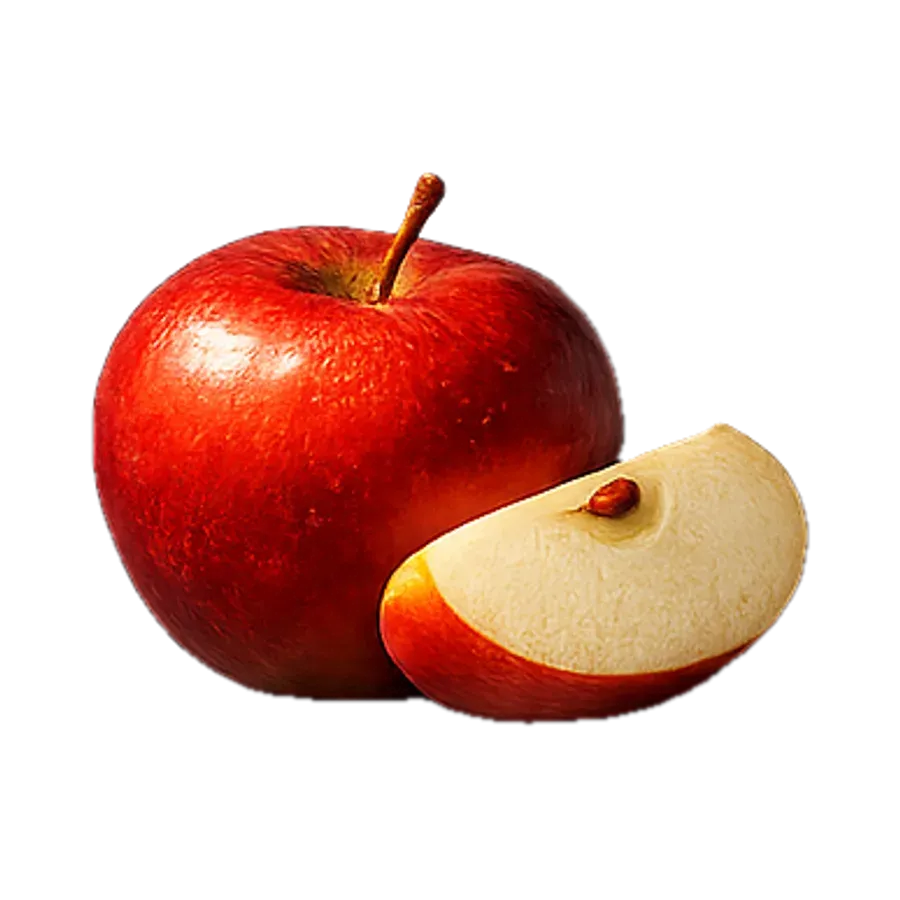 Fruitnine materials, five in the bottlesFruit in perfumery is nearly always a built note rather than a pressed one, and it is used for brightness with a little sweetness: a blackcurrant beside a bergamot, a pear over a floral, a pineapple that opens a chypre.
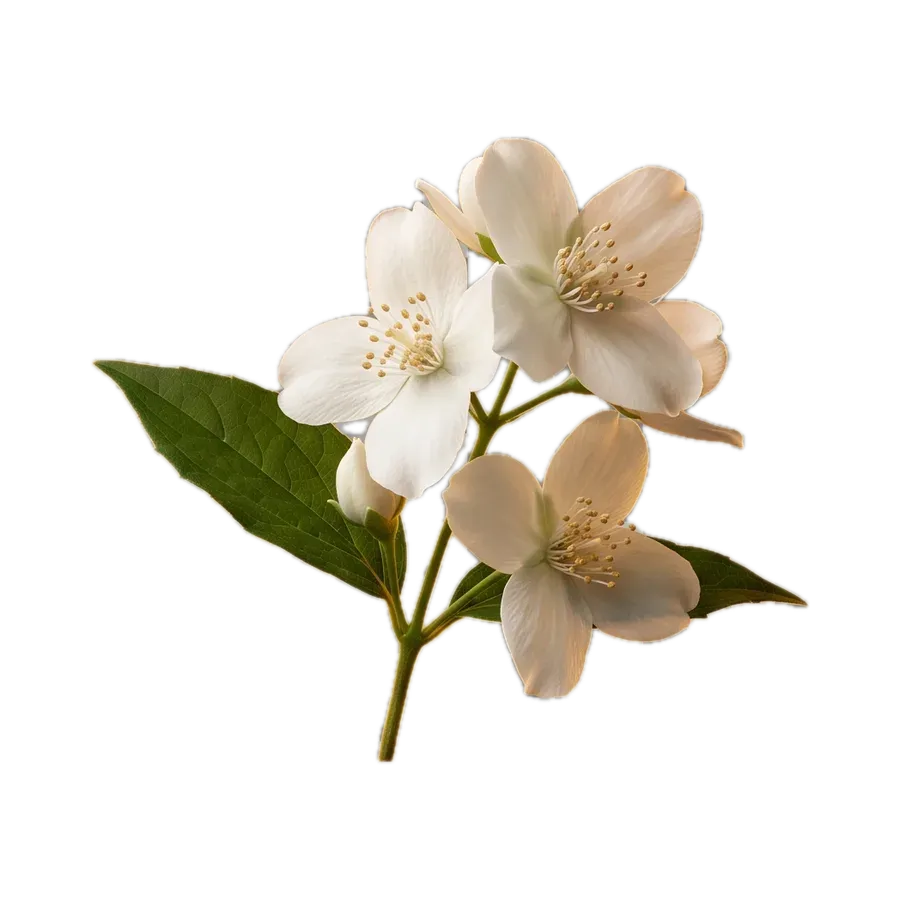 Floralfifteen materials, eleven in the bottlesThe flowers are the heart of perfumery and of most of the house’s compositions: jasmine above all, then the white flowers, the roses and the quieter blossoms. A floral note may be an extract of the flower, a molecule found in it, or both.
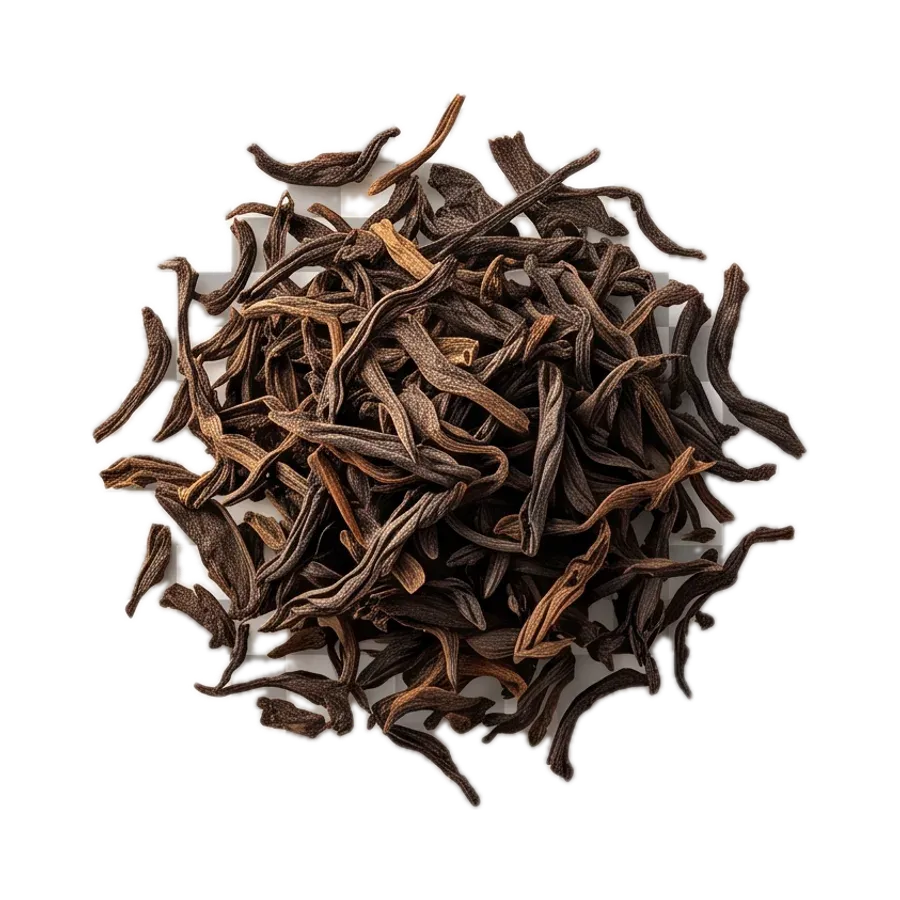 Green and teafour materials, one in the bottlesThe green materials smell of leaf, stem and steeped tea rather than of flower or fruit. They are used sparingly, to give a composition air and a dry edge; the house uses one of them in a heart today and keeps the rest in its palette.
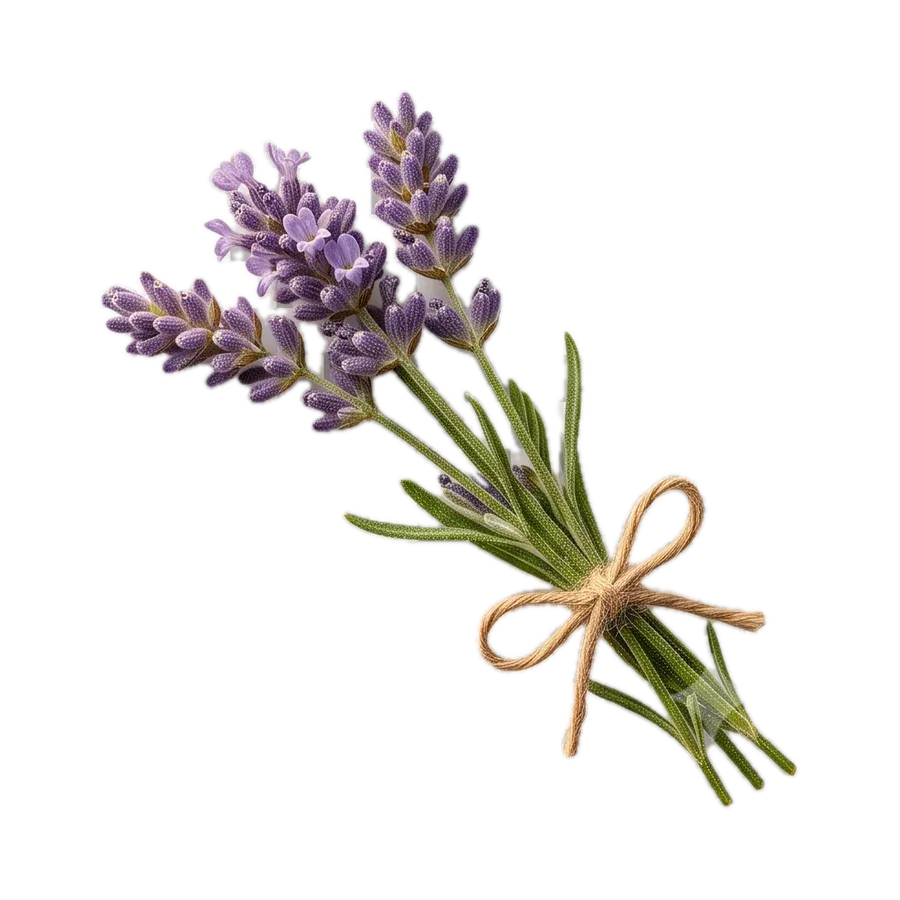 Aromatic and herbalnine materials, six in the bottlesThe aromatics are the herbs and the cool, clean materials around lavender: sage, juniper, mint, violet leaf. They sit between the citrus opening and the warm base, and they are what a fougère is built on.
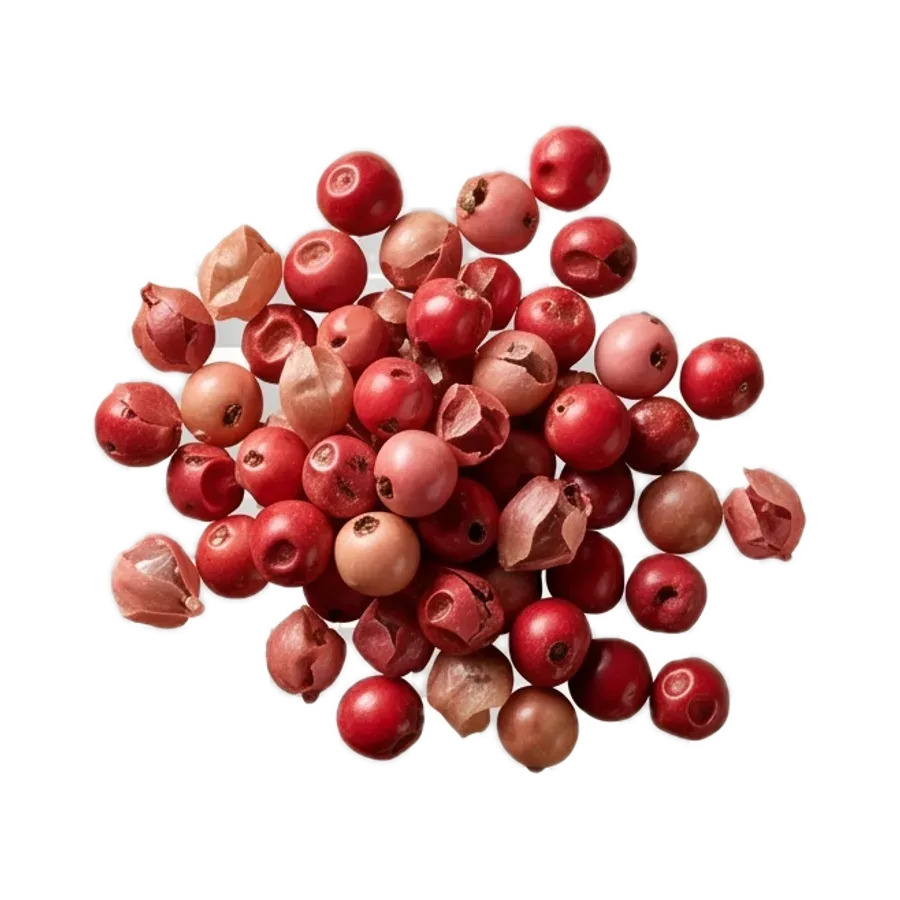 Spicenine materials, eight in the bottlesThe spices are the materials that give a composition its crackle and its first warmth: the dry bite of pink pepper and black pepper in an opening, the saffron that bridges citrus to amber, the cardamom and ginger that lift an opening or a heart, the cinnamon that warms a lavender or a tobacco. The house uses eight of them in its bottles, pink pepper most of all, and keeps clove in its palette.
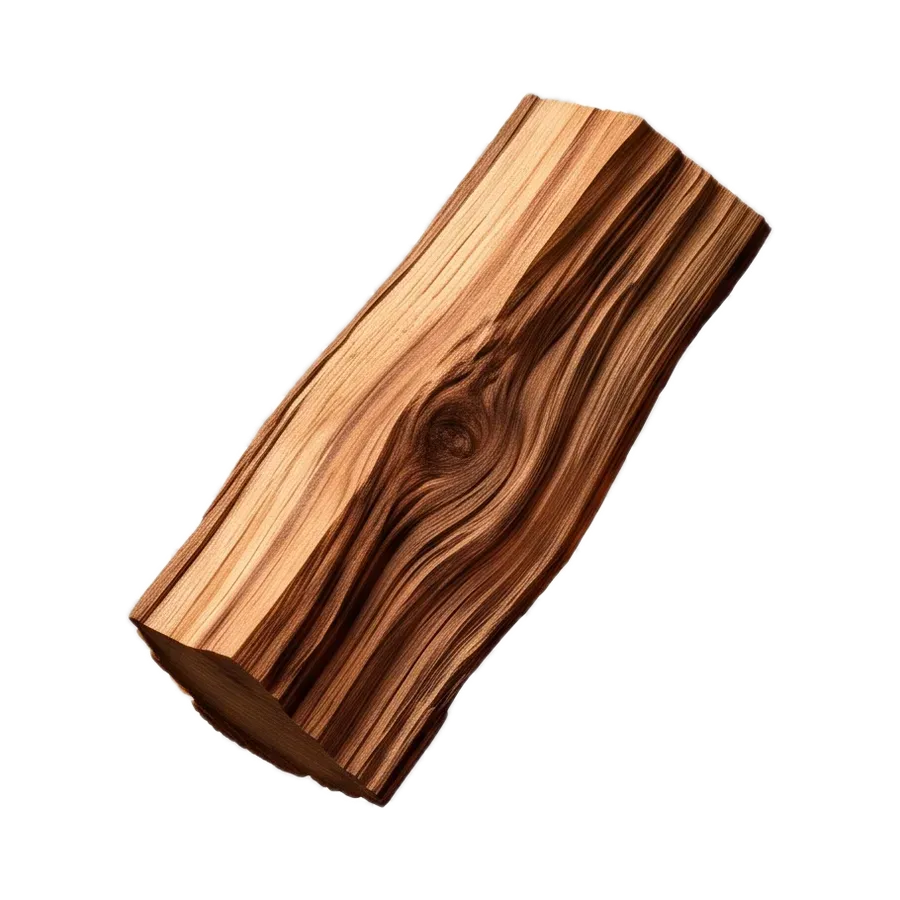 Woodsten materials, nine in the bottlesThe woods are the floor a composition stands on: sandalwood for cream, cedar for dryness, patchouli for earth, vetiver for smoke, oakmoss for the forest floor of a chypre, and the modern woody ambers for radiance. Nearly every fragrance in the house rests on at least one.
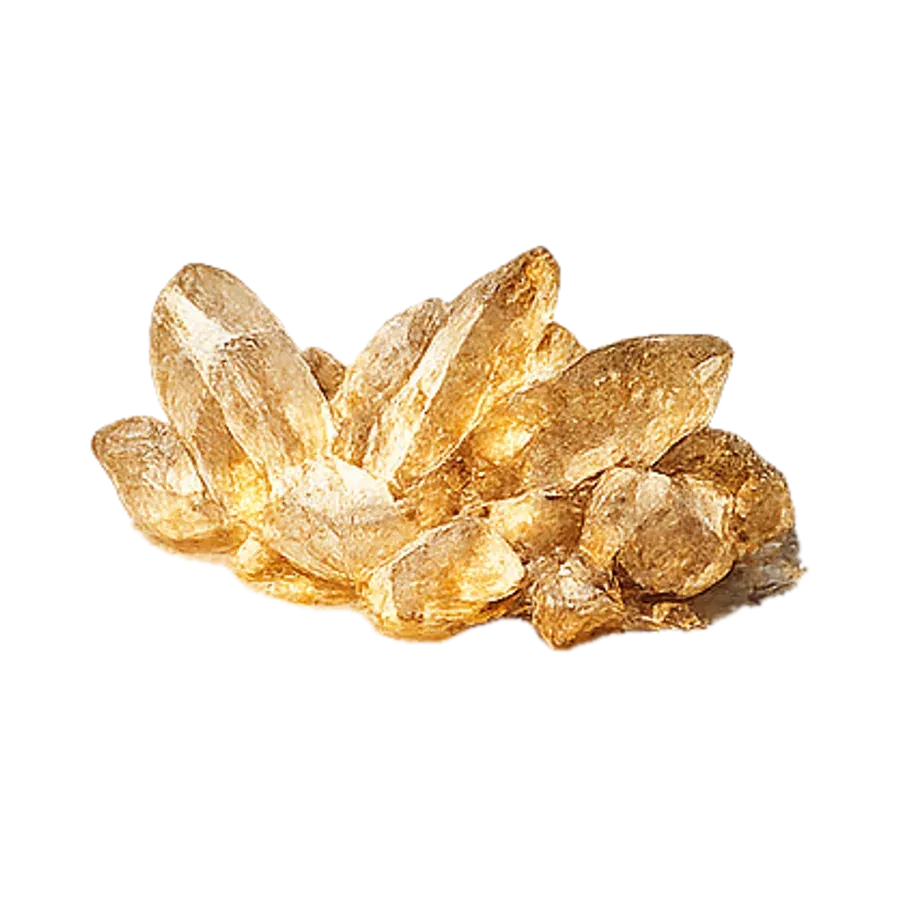 Amber and resinsnine materials, seven in the bottlesThe resins and balsams are the warmth of perfumery, and amber is what a perfumer builds from them: labdanum for darkness, benzoin and fir for sweetness, incense for smoke, and ambroxan, the modern mineral amber, for the glow that lasts until morning. Five of the house’s fragrances are ambers.
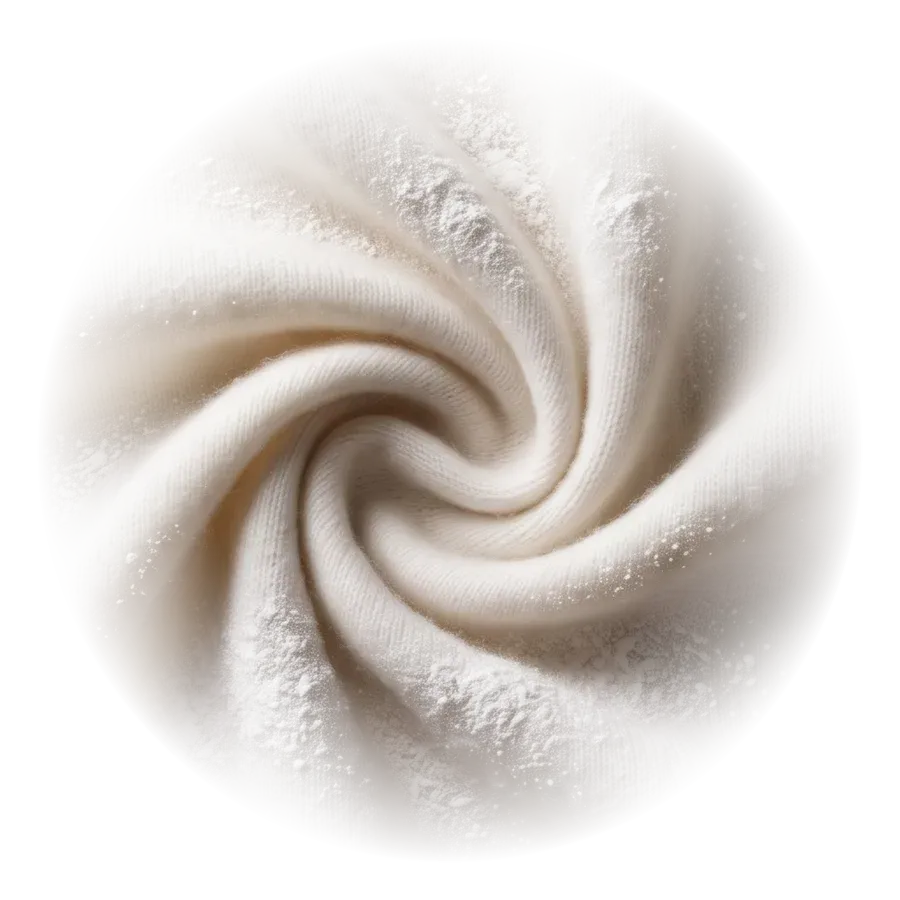 Muskthree materials, three in the bottlesThe musks are the skin of a fragrance: clean, soft and close, the materials that keep a base intimate and carry it into the evening. No animal is involved; the modern musks are molecules, and some people cannot smell them at all.
 Gourmandtwelve materials, eleven in the bottlesThe edible materials: vanilla and tonka above all, then cocoa, coffee, caramel, honey, almond, praline and milk. In the house they are the subject of five fragrances and the warmth under many more, held up by woods and resins so that sweetness reads as warmth rather than as dessert.
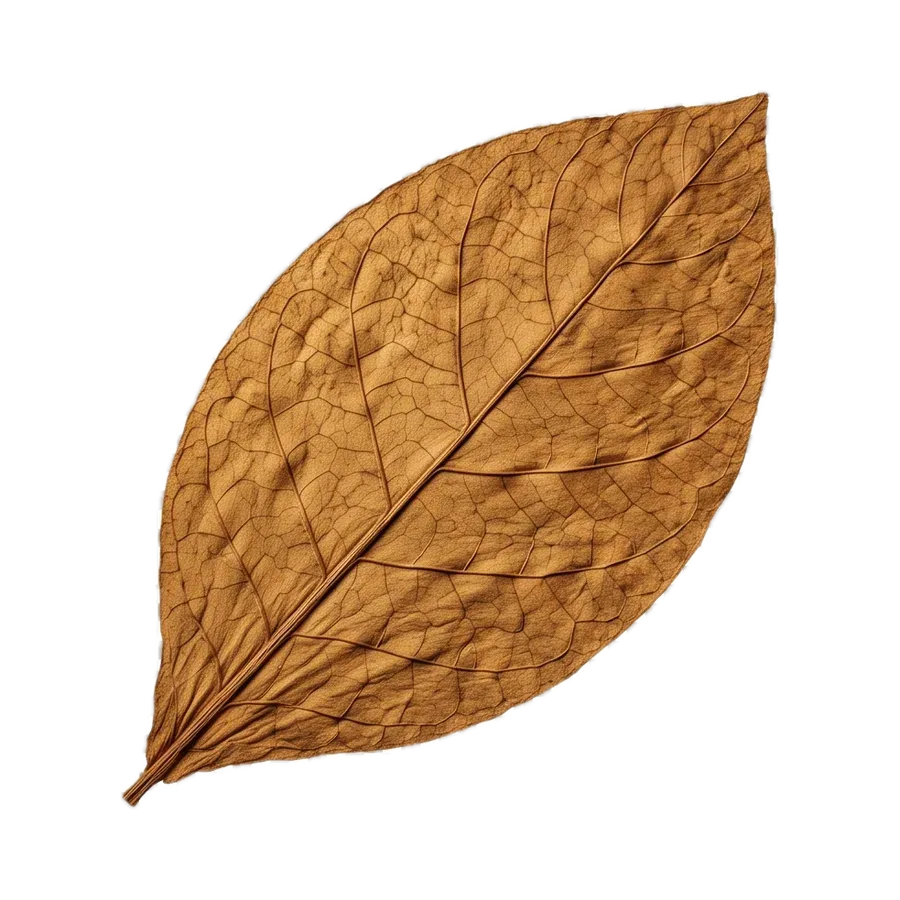 Tobacco and leatherfive materials, two in the bottlesThe dark, dry materials that turn sweetness golden and warmth smoky: blonde tobacco in a heart, birch tar in a chypre, leather and suede in the palette. The house uses tobacco with honey and with amber, never alone.
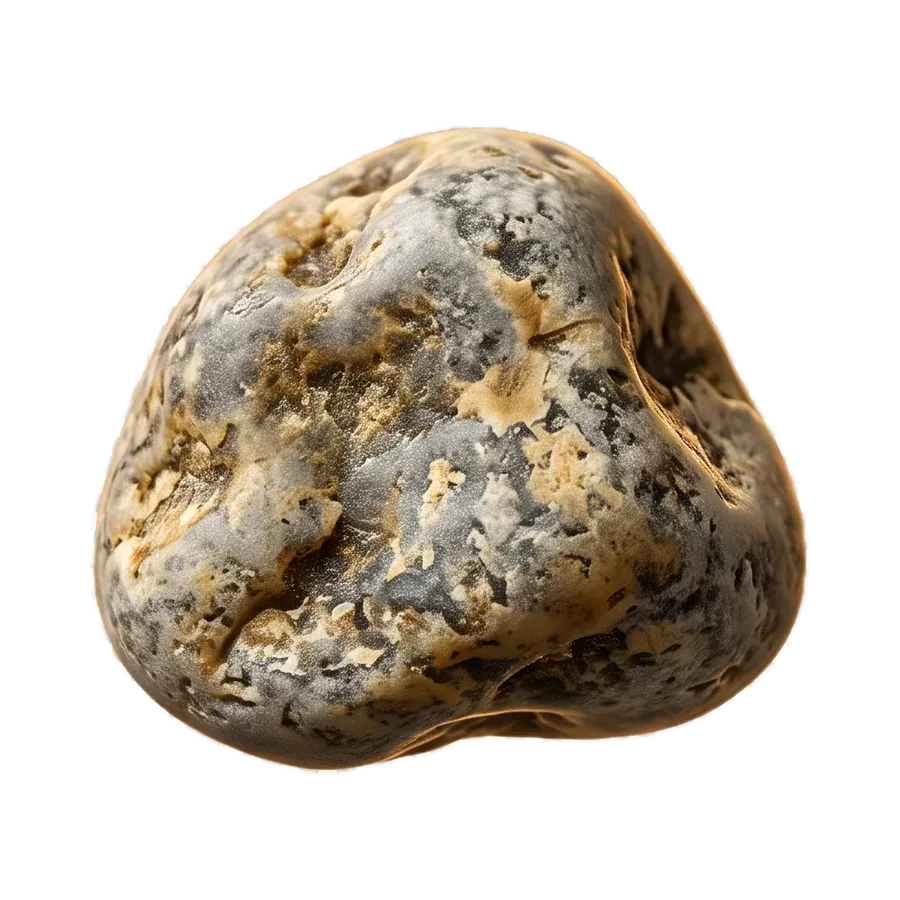 Aquatic and marinefour materials, two in the bottlesThe sea materials: the ambergris accord that gives a modern amber its salt, and the aquatic accord that gives a summer fragrance its air. Ambergris itself is rendered with safe equivalents; the house uses the accord in five fragrances and the sea notes in one.