The Guide Issue 07
How to Store Perfume, and Whether It Expires
How to store perfume comes down to three enemies: heat, light and air. Keep a bottle away from all three and it will smell as it did on the day it arrived.
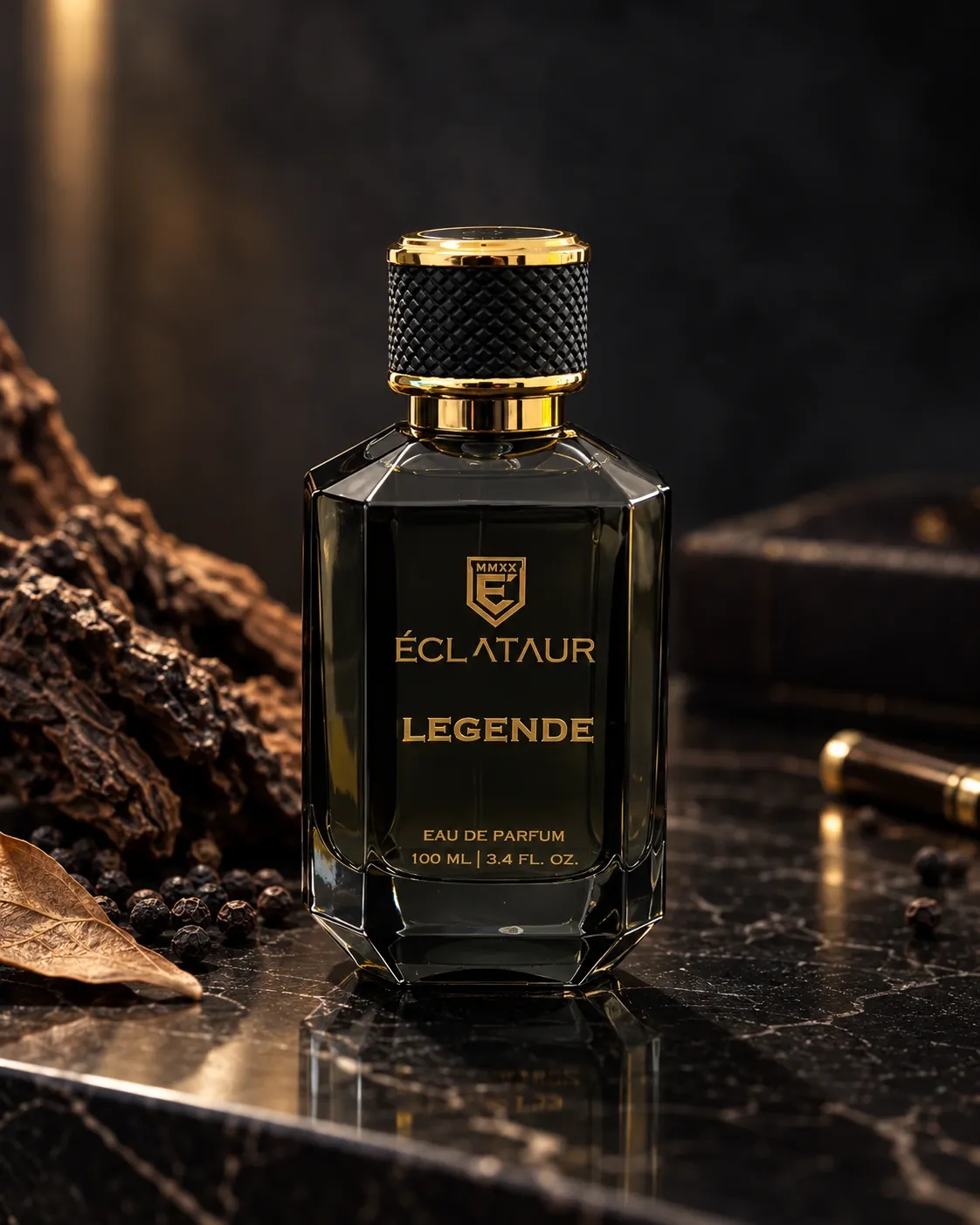
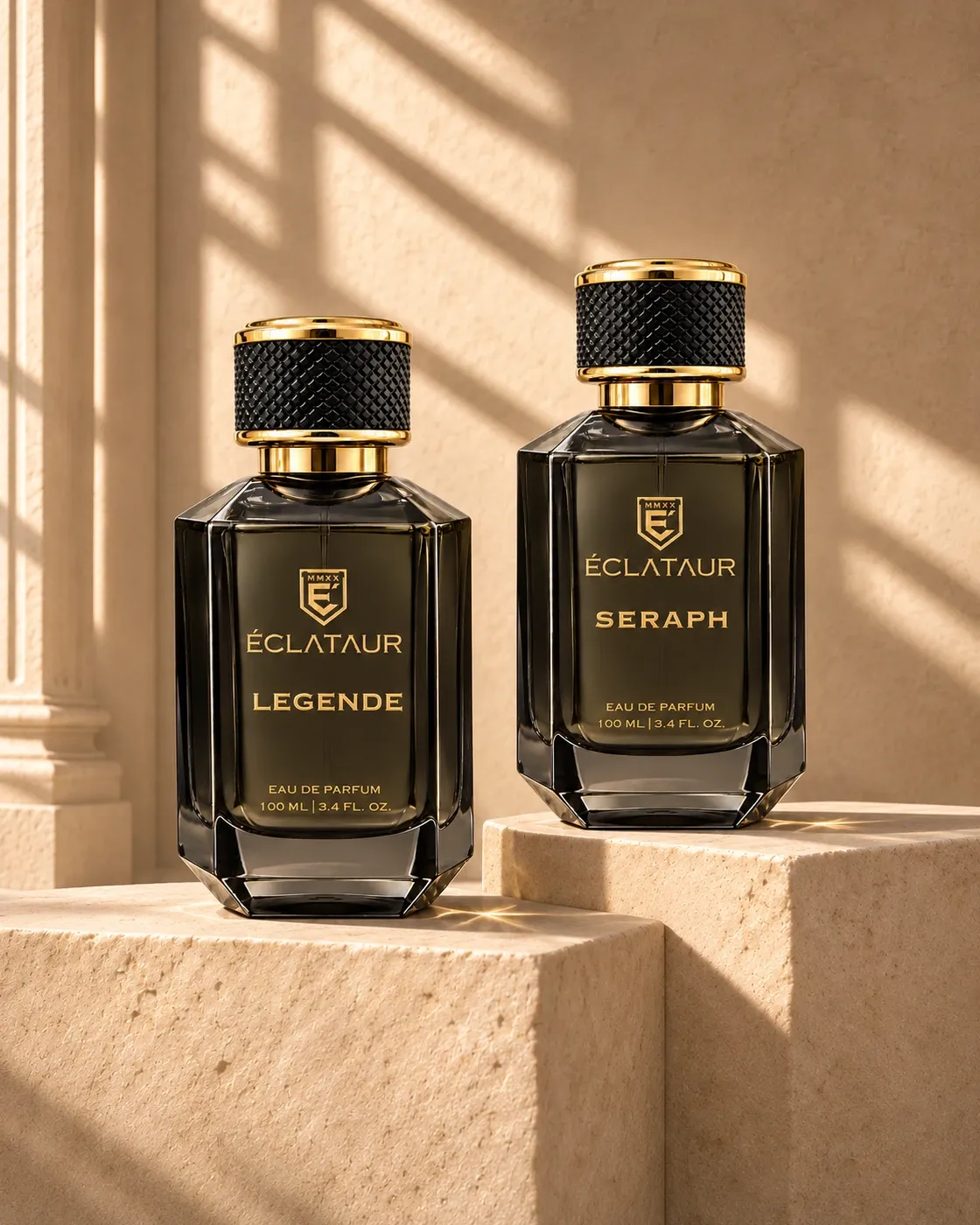
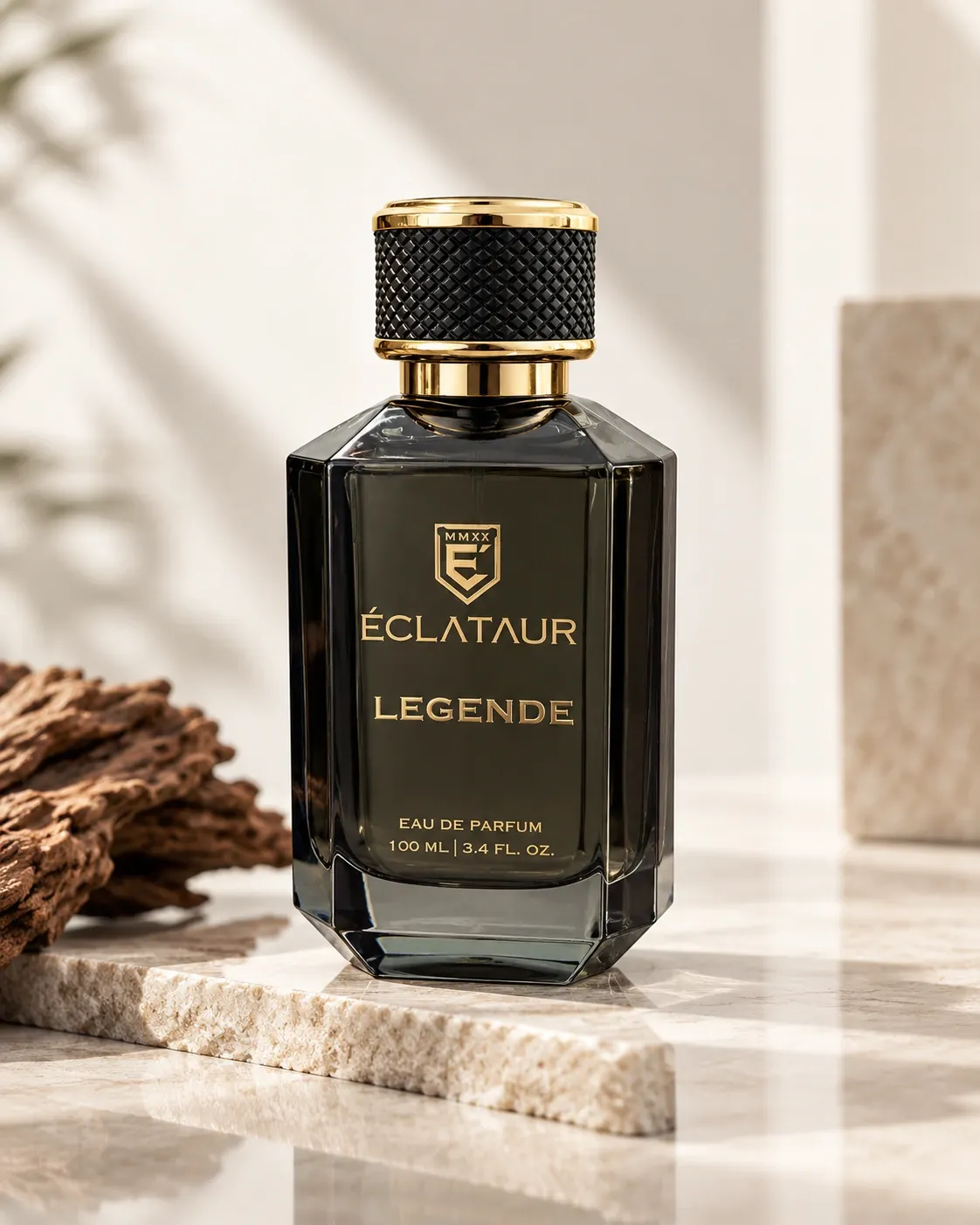
To store perfume, keep the bottle away from its three enemies: heat, light and air. A closed drawer in a room at a steady temperature is right; a bathroom shelf, a windowsill and a car are wrong. Kept that way a bottle smells as it did on the day it arrived; the top notes fade first when it has not.
How to store perfume comes down to three enemies: heat, light and air. Keep a bottle away from all three and it will smell as it did on the day it arrived. Most bottles that turn were not old; they were kept on a bathroom shelf, a sunny dresser or a car seat, and the composition was slowly cooked, bleached or breathed away. The rule is short, and it is the same rule the house keeps for its own resting batches.
This matters most in the weeks around a gift. A bottle bought in November and given in December spends a month somewhere before it is opened, and then years somewhere after. What follows is where to put it, what the house does with its own glass, and the honest answer to the question people ask about a bottle they have had for a while: has it gone off, and how would you know?
The Three Enemies of a Perfume Bottle
A fragrance is a solution of aromatic materials in alcohol or oil, and both the materials and the carrier react to their surroundings. Three things do almost all of the damage, and each one works on a different part of the composition.
Heat
Warmth speeds up every reaction in the bottle and drives the lightest materials out through the atomiser and the seal. A bottle that swings between warm and cool every day, as one does in a bathroom, ages faster than one that stays at a steady room temperature. The top notes go first, so a heat-damaged bottle opens flat before it smells wrong.
Light
Ultraviolet light breaks aromatic molecules apart, and it does not need to be direct sun to do it. A bottle on a windowsill can shift in colour and character within a season; a bottle in ordinary daylight on a dresser shifts more slowly but still shifts. This is why the house rests its batches in amber glass, and why any retail bottle, clear or dark, belongs in a drawer or its box.
Air
Oxygen changes a fragrance the way it changes a cut apple. A sealed, full bottle has very little air in it; a half-used bottle with a loose cap has more every week. Keep the cap on, keep the atomiser clean, and do not decant a bottle into a half-empty container to save space. Air is the slowest of the three enemies and the one that catches up with an old bottle.
Dark, cool and sealed. A perfume asks for nothing else, and it will give back exactly what it was given.
Where to Keep a Perfume Bottle
The right place is boring on purpose: somewhere dark, somewhere that stays at one temperature, and somewhere the bottle will not be knocked. These four answers cover nearly every home.
A Drawer or a Closed Cupboard
The right place in most homes is a bedroom drawer or a wardrobe shelf: dark, dry, and at the temperature the room keeps all year. It is also the least glamorous answer, which is why bottles end up on display instead. If you want a bottle out where you can see it, keep it out of the window’s reach and put the one you wear least back in the dark.
Keep the Box
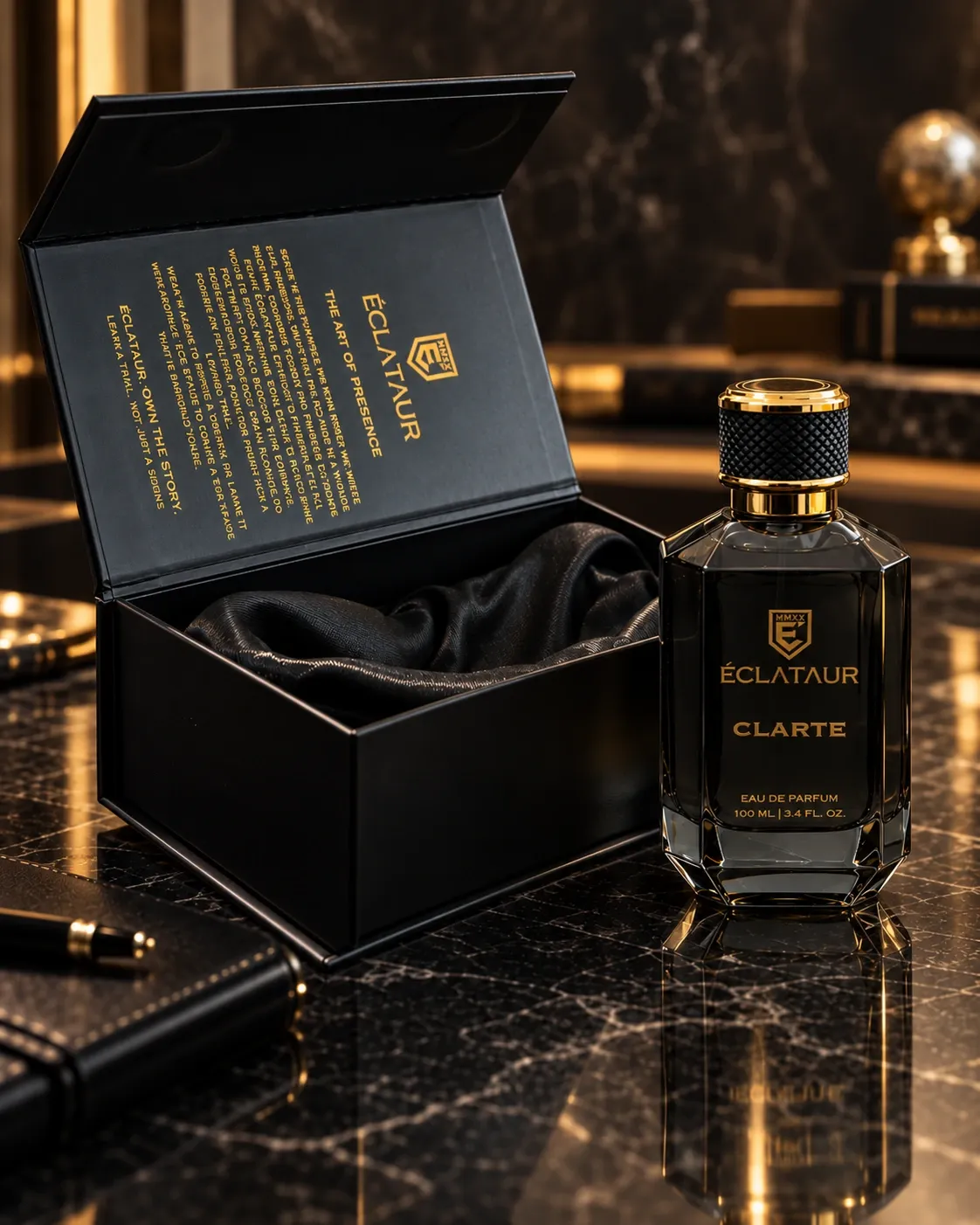
The box is not packaging; it is the bottle’s own dark room. A bottle returned to its box after each wearing is shielded from light and from the knocks that loosen an atomiser. ÉCLATAUR bottles ship in a lidded black box with a satin bed for exactly this reason. If the box is gone, a drawer does the same job.
The Fridge, Honestly
Cold does no harm to a sealed bottle, and in a hot climate a refrigerator is a steady, dark place. The damage comes from moving the bottle in and out: every trip from cold to warm lets moisture condense inside the cap and around the seal. If you use a fridge, leave the bottle there. If you take it out daily, a drawer is the better home.
Never the Bathroom, Never the Car
The bathroom combines the worst of heat and humidity with a daily swing between the two. The car combines heat and light, and a Texas summer turns a glovebox into an oven. Both are convenient and both are the most common reason a bottle disappoints after a year. Carry a travel size in the car if you must, and keep the full bottle at home.
Does Perfume Expire?
Not the way milk does. A perfume carries no date because its life depends almost entirely on how it is kept, and a bottle stored dark, cool and sealed stays true for years. What happens over time is not spoilage so much as drift: the lightest materials fade first, so an old bottle loses its sparkle before anything else changes; then the colour can deepen as the alcohol and the heavier materials react with air; and, if a bottle has been badly kept, the opening can turn sour or sharp in a way the fragrance was never built to be.
The house does not print a shelf life on its bottles and does not claim one here, because no number is honest for a bottle whose keeping it cannot see. What it can say is this: a sealed bottle in its box and a drawer will outlast nearly any reason you had to worry, and an opened bottle that is kept the same way and used within a few years will finish as it began.
Three signs tell you a bottle has turned, and you need all three in mind, because one alone can mislead.
The Colour Has Deepened
Compare the liquid with what you remember, or with a photograph of the bottle when it was new. A warm fragrance can darken a shade with age and still be fine; a pale citrus that has gone the colour of tea has probably seen light. Colour alone is a hint, not a verdict.
The Opening Smells Sour
A turned bottle opens with a sharp, vinegary or metallic note that was never part of the composition and does not fade in the first moments as an alcohol flash does. Spray on paper, wait, and smell again. If the sourness stays while the rest of the fragrance has gone thin, the bottle has turned.
The Top Has Gone Flat
When the citrus and the bright aromatics that used to announce a fragrance are simply absent, and the scent starts in its heart, the lightest materials have left through heat or air. The bottle is usually still wearable; it is just quieter than it was built to be.
A bottle that has turned is not dangerous to wear; it is only disappointing. The right response is to keep the next one better, which is the point of this guide.
How the House Stores Its Own Batches
The rule above is not advice the house gives and ignores. Every spray batch at the atelier rests in amber glass, sealed, in a dark cabinet at room temperature, until it is evaluated and bottled; the maceration article describes that process. Amber glass because light is the enemy that cannot be seen working. Sealed because air is the one that never stops. Room temperature because the house wants to evaluate the fragrance as it will live in a customer’s home, not in a cold room it will never see again.
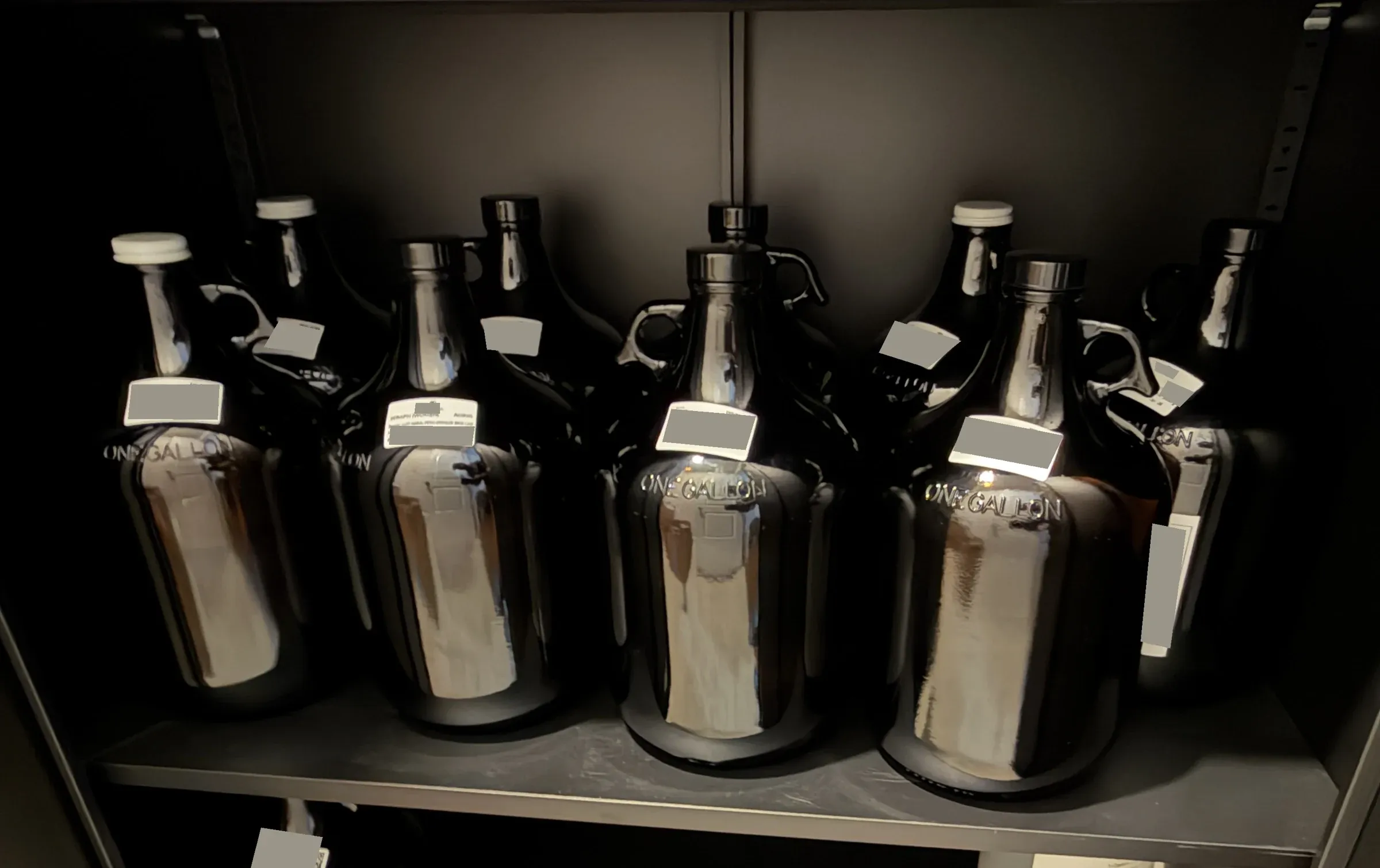
Batches resting in the atelier’s cabinet, kept dark and sealed. Private label details have been concealed.
A finished bottle at home asks for exactly the same three things. Some of the house’s retail bottles are clear glass and some are dark. Dark glass slows light but does not stop it, and clear glass lets it straight in, which is why the box and the drawer matter more at home than they do in the cabinet, whichever bottle you own. The alcohol base article explains why a dry carrier also keeps a bottle clear in a cool room, and why a faint haze after a cold night is the carrier showing its work rather than a fault.
A Gift Bottle Between November and December
A fragrance bought early for a gift is the one most likely to be kept badly, because it is hidden. Hidden is fine; hot is not. The top of a wardrobe near a heating vent and the boot of a car are the two hiding places that do the most harm. Leave the bottle sealed in its box, put the box in a drawer or a cupboard at room temperature, and it will be exactly as it left the atelier on the morning it is opened.
If you are choosing a fragrance for someone else, the gift guide article and the perfume gift guide both start from the same honest point: the safest gift is often not a full bottle but a Discovery set or the Prelude, which let the person choose on their own skin. And once a bottle is open, the guide to the dry-down covers how to wear it so that the care taken in storing it is not undone at the wrist.
For a broader account of how perfume is made and kept, Britannica’s entry on perfume is a sound starting point, and Fragrantica remains the most useful public record of how individual compositions age in the hands of the people wearing them.
How to Store Perfume: Your Questions Answered
How should I store perfume at home?
In its box or a closed drawer, in a room that stays at one temperature, with the cap on. Dark, cool and sealed is the whole rule. A bedroom drawer or a wardrobe shelf is better than any display surface, and far better than a bathroom.
Can I keep perfume in the bathroom?
It is the worst room in the house for it. Every shower swings the temperature and fills the air with moisture, and the daily cycle ages a composition faster than steady warmth would. The top notes flatten first. Keep the bottle in the bedroom and carry it to the bathroom only to apply it.
Should perfume be kept in the fridge?
It can be, if it stays there. Cold does a sealed bottle no harm and a refrigerator is dark and steady. The harm comes from moving a bottle between cold and warm every day, which condenses moisture inside the cap. For a bottle you wear often, a drawer at room temperature is the better home.
Does perfume expire?
Not on a date. A perfume drifts rather than spoils, and how fast depends almost entirely on how it is kept. A sealed bottle stored dark and cool stays true for years; an opened bottle kept the same way and used within a few years finishes as it began. ÉCLATAUR does not print a shelf life because no single number would be honest for every home.
How can I tell if perfume has gone off?
Three signs together: the liquid has deepened in colour compared with when it was new, the opening smells sour, vinegary or metallic and the sourness does not fade in the first moments, and the bright top notes are simply absent. One sign alone can mislead; a warm fragrance darkens a shade with age and is still fine.
Should I keep the perfume box?
Yes. The box is the bottle’s dark room: it keeps light off the glass and protects the atomiser from knocks. Return the bottle to it after wearing, or keep it in a drawer if the box is gone. A bottle bought early as a gift should stay sealed in its box until it is given.