The Guide Issue 12
Chypre and Fougère: The Two Oldest Structures in Perfume, and the House’s Own
What is a chypre perfume? A structure, not a smell: bright citrus over a floral heart on a mossy base. Its cousin the fougère puts lavender and tonka there.
A chypre perfume is a structure, not a smell: a bright opening, nearly always bergamot, over a floral heart, on a dark, dry base of oakmoss and labdanum, often with patchouli beside them. Its cousin the fougère puts lavender and tonka in that frame. Four fragrances in the collection stand on one structure or the other.
What is a chypre perfume? A structure, not a smell: bright citrus over a floral heart on a mossy base. Its cousin the fougère puts lavender and tonka there. The two words name the oldest frameworks in modern perfumery, and a reader who knows them can predict the shape of a fragrance from its note list before a drop has been sprayed.
The families guide introduces the families a buyer meets first. This guide goes a level down, to the two structures that sit underneath several of them, because four fragrances in the collection stand on one or the other and are easier to understand once the frame is visible. It says what each structure is, where it came from, how it changed when the trade restricted its key material, and how to tell them apart on skin.
The Chypre: Bright Over Dark
A chypre is built on a contrast. The opening is bright, nearly always bergamot; the heart is floral, classically rose and jasmine; and the base is dark, dry and earthy, built on oakmoss and labdanum, with patchouli often beside them. The pleasure of a chypre is the distance between its first minute and its last hour: it begins as sunlight and ends as forest floor.
The opening
Citrus, Usually Bergamot
The brightness that the rest of the structure is measured against. Modern chypres often add fruit beside the citrus: blackcurrant, pineapple, apple. Without the bright opening the base would simply be heavy; with it, the base is a destination.
The heart
Flowers, or What Stands For Them
Rose and jasmine in the classic form. A modern chypre may put something else in the middle, smoke or tobacco or a resinous note, while keeping the frame; the heart is the part a perfumer uses to make a chypre his own.
The base
Oakmoss, Labdanum, Patchouli
The signature. Oakmoss gives the dry, green, slightly bitter forest-floor note; labdanum gives the dark resinous warmth; patchouli gives the earth. Together they are what the word chypre has meant for more than a century.
The name is the French word for Cyprus, and it was fixed by a fragrance launched in Paris in 1917 that was built exactly this way and sold under that name. The structure is older than that bottle; the word has belonged to it ever since.
A chypre begins in sunlight and ends on the forest floor. A fougère begins in a barbershop and ends in a hayfield. Everything else is the perfumer’s choice.
The Fougère: The Barbershop Structure
A fougère is the chypre’s cousin and the older of the two. The name is the French word for fern, and the joke of it is that ferns have almost no smell: the structure is an invention of what a fern ought to smell like. Its three parts are lavender at the top, coumarin in the middle, the hay-sweet material of tonka bean, and oakmoss at the base, often with geranium beside the lavender and woods beneath the moss. The first fougère was launched in 1882 and the structure became, for most of the century that followed, what a men’s fragrance was expected to be: the smell of a barbershop is a fougère.
What distinguishes it from the chypre on skin is the middle. Where a chypre puts flowers between its bright opening and its dark base, a fougère puts something aromatic and something sweet, lavender and tonka, so that the whole reads clean and herbal rather than bright and dark. Both end on moss; they get there by different roads.
What Changed When the Moss Was Restricted
Oakmoss is the base of both structures, and it is also a material the trade’s safety standards restrict, because parts of the natural extract cause skin reactions in some people. A modern perfumer may use far less of it than the classic formulas did, and usually uses a purified form. That changed both families.
The modern chypre leans on patchouli and labdanum to do what oakmoss used to do, and often adds a modern woody-amber material for persistence. The modern fougère leans harder on its lavender and tonka and on woods such as cedar and vetiver, and some modern fougères carry no moss at all while keeping the shape. The frames survived; the material under them was replaced, which is a good example of the honest reasons a perfumer uses both naturals and molecules.
Four Fragrances From One House, Two Structures
The collection carries two chypres and two fougères, and each shows the frame with something of the house’s own in the middle. The notes are from each fragrance’s page.
ÉCLAT: The Smoky Chypre
Pineapple, bergamot, blackcurrant and pink pepper over birch smoke, blonde tobacco, saffron and lavender, on oakmoss, sandalwood, tonka, labdanum and musk. The chypre frame with smoke where the flowers would be: bright fruit at the top, forest floor at the bottom, and a held stillness between. The house’s Édition Limitée. ÉCLAT.
REGENT: The Fruity Chypre
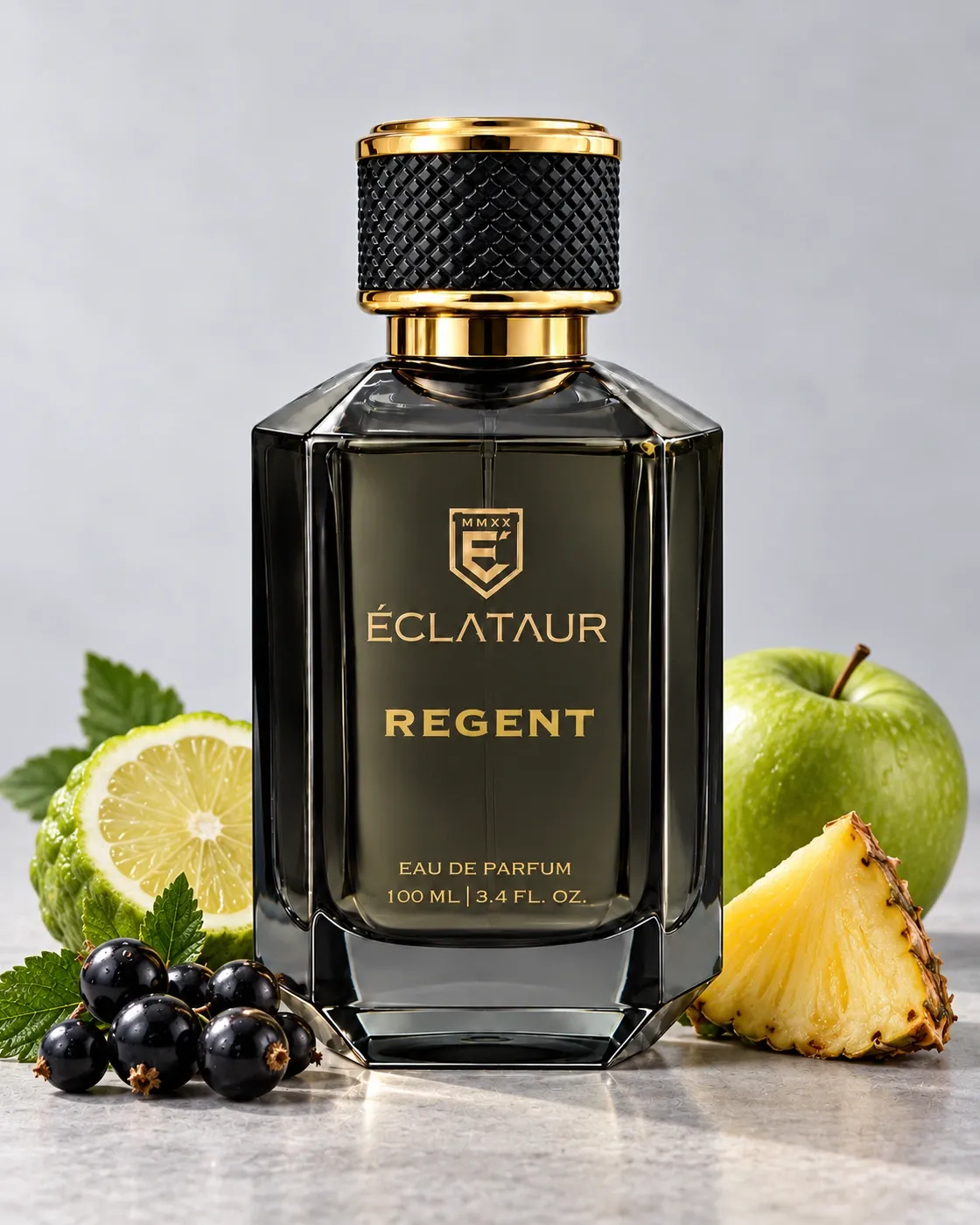
Blackcurrant, Calabrian bergamot, green apple and pineapple over birch tar, Moroccan jasmine and patchouli, on an ambergris accord, Madagascar vanilla, oakmoss and white musk. The classic contrast with a modern fruit opening and a touch of tar in the heart; the oakmoss and patchouli in the base are the signature. REGENT, also as a roll-on.
KNIGHT: The Clean Fougère
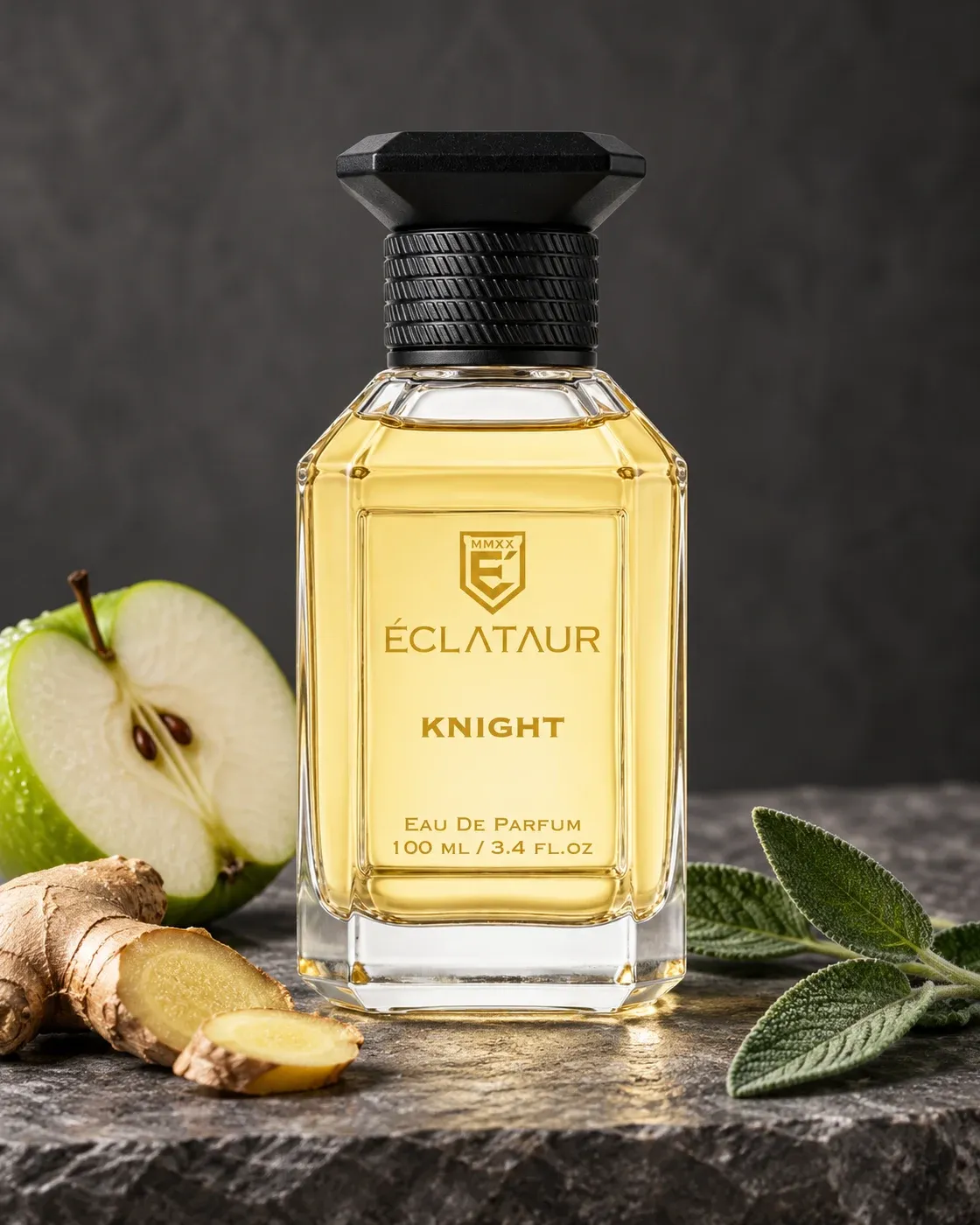
Calabrian bergamot, ginger and green apple over geranium, juniper berries and sage, on amberwood, olibanum, tonka, vetiver and Virginian cedar. A modern fougère with no moss: the geranium and sage carry the aromatic middle, the tonka gives the sweetness, and vetiver and cedar stand where the moss once stood. Built for the office. KNIGHT.
PULSE: The Gourmand Fougère
Cardamom, pink pepper and violet leaves over chestnut, lavender and sage, on cedar, a toffee accord, tonka and vanilla absolute. The lavender and tonka of the classic frame, with toffee and chestnut turning the sweetness up until the barbershop becomes a warm room. The fougère for someone who thinks they do not like fougères. PULSE.
A fifth, VESPER, is a cousin to both: bergamot, black pepper and elemi over lavender, pink pepper and cinnamon, on ambroxan, sandalwood, cedar, patchouli and labdanum. It has the fougère’s lavender heart and the chypre’s labdanum base and belongs wholly to neither, which is the kind of thing a reader who knows the two frames can see at once.
How to Tell Them Apart on Skin
Smell the middle hour. If what you find there is flowers, fruit or smoke over a base that is turning dry and earthy, you are wearing a chypre. If what you find is lavender, something herbal and something sweet, with the base coming up clean and woody beneath, you are wearing a fougère. Both are at their most distinctive in the evening, when the base has arrived, which is where the dry-down guide says to judge any fragrance.
Both structures wear across the year. The chypres deepen in cold weather; ÉCLAT and REGENT both lean to autumn and winter. The fougères are the house’s most all-weather compositions; KNIGHT is built for the whole year and PULSE for cool evenings. The pairings on each page are the ones the house has worn together, and the layering guide explains how to choose a pair by the notes the two share, and which goes on first.
For a broader account of how perfume families are classified, Britannica’s entry on perfume is a sound starting point, and Fragrantica remains the most useful public record of how chypres and fougères are read by the people wearing them.
What Is a Chypre Perfume: Your Questions Answered
What is a chypre perfume?
A fragrance built on a contrast: a bright citrus opening, usually bergamot, over a floral heart, on a dark, dry base of oakmoss, labdanum and often patchouli. The name is French for Cyprus and was fixed by a fragrance launched under that name in 1917. ÉCLAT and REGENT are the house’s chypres.
What is a fougère fragrance?
A fragrance built on lavender, coumarin from tonka bean, and oakmoss, often with geranium and woods. The name is French for fern, and the structure is the smell of a traditional barbershop. The first was launched in 1882. KNIGHT and PULSE are the house’s fougères.
What does chypre smell like?
Bright at first and dark by the evening: citrus and often fruit in the opening, flowers or smoke in the middle, and a dry, green, earthy base that reads like forest floor. The distance between the first minute and the last hour is the point of the structure.
What is the difference between a chypre and a fougère?
The middle. A chypre puts flowers between its bright opening and its mossy base; a fougère puts lavender and the hay-sweet note of tonka there instead, so it reads clean and herbal rather than bright and dark. Both classically end on oakmoss.
Why is oakmoss restricted in perfume?
Because parts of the natural extract cause skin reactions in some people, so the trade’s safety standards cap how much may be used and most perfumers use a purified form. Modern chypres lean on patchouli and labdanum, and modern fougères on lavender, tonka and woods, to keep the shape with less moss or none.
Can women wear a fougère, and men a chypre?
Yes to both. The fougère became the shape of men’s fragrance by habit, not by rule, and the chypre was worn by everyone from the start. ÉCLAT sits in the unisex collection; KNIGHT and PULSE sit in the men’s and are worn by anyone who likes lavender over wood.