The Craft Series Issue 04
Fragrance Notes Explained: Top, Heart and Base in a Real Formula
Fragrance notes explained: a note is a smell you can name, a pyramid is the order they arrive in, and an accord is several notes built to read as one.
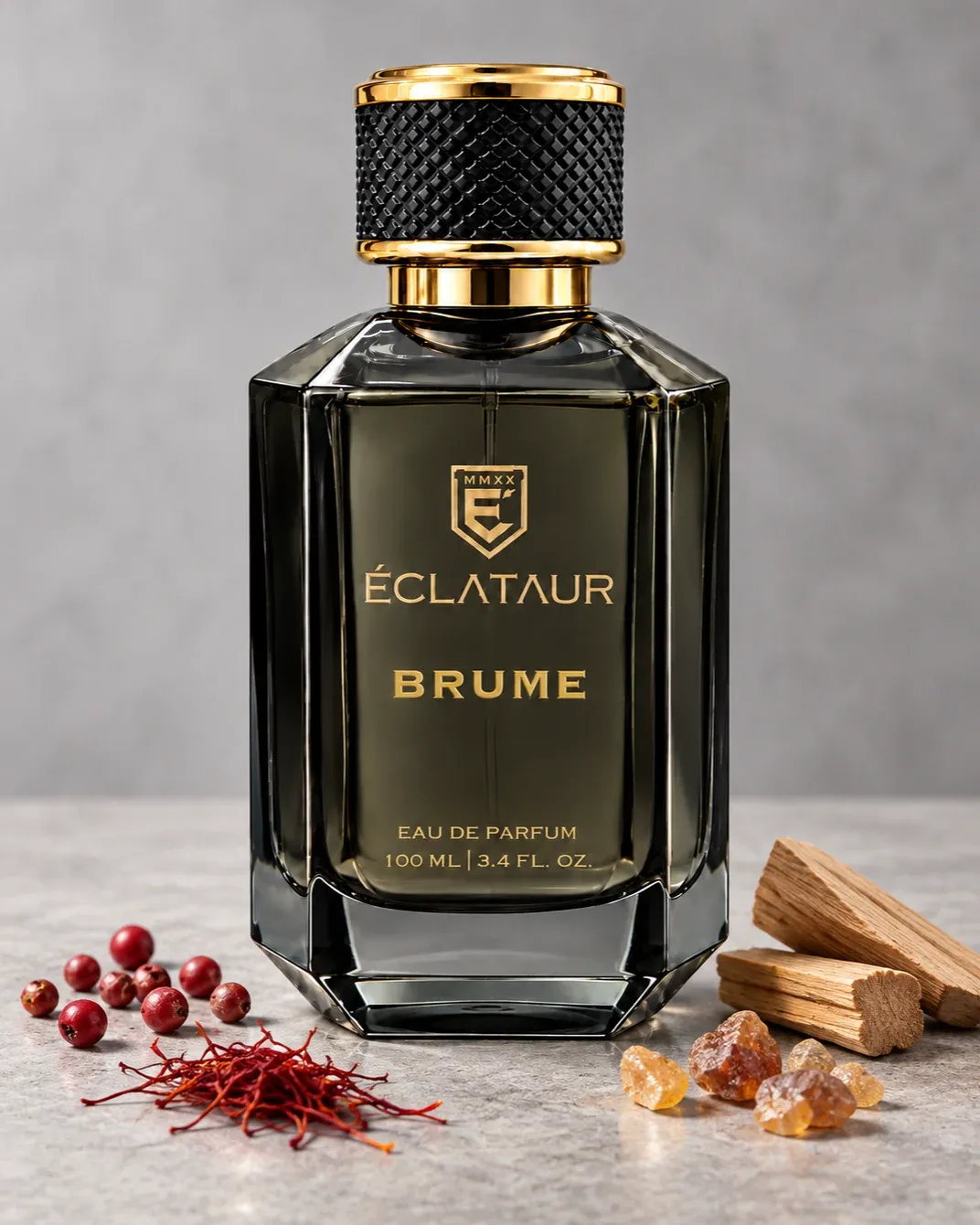
A fragrance note is a smell you can name; the pyramid is the order the notes arrive in, top to heart to base; an accord is several notes built to read as one. Reading BRUME from first moments to last shows why notes arrive in sequence and why two bottles with the same words can smell nothing alike.
Fragrance notes explained: a note is a smell you can name, a pyramid is the order they arrive in, and an accord is several notes built to read as one. A perfume page lists its notes the way a menu lists ingredients, and the list is useful for the same reason and misleading in the same way. It tells you what went in. It does not tell you what the dish tastes like, because that depends on proportion, pairing and the order in which things happen.
This article reads one fragrance from the house, BRUME, from its first moments on skin to its last, and uses it to explain what the three levels of a note list mean, what an accord is, why notes arrive in sequence, and why two bottles with the same words on the page can smell nothing alike. Nothing here is a formula; the proportions stay at the bench. Everything here is on the page already, read in the right order.
What a Note Is, and What It Is Not
A note is the name a perfumer gives to a recognisable smell in a composition: bergamot, saffron, sandalwood. It may be one material, a natural oil or a single molecule, or it may be several materials chosen to smell like the thing named. Three distinctions keep the word honest. Every material the house names has a page of its own under Ingredients: its photograph, what it smells like, where it sits, and the fragrances that carry it.
A Note Is a Smell, Not an Ingredient
“Bergamot” on a page usually is the oil pressed from the peel. “Amber” never is a single thing; it is a blend of resins and sweet materials that smells of warmth. “Aquatic accord” is a group of molecules that together smell of sea air. The note names what you will smell, which is not always what was weighed.
An Accord Is Several Notes Read as One
Like a chord in music, an accord is heard before its parts are. Amber, aquatic, oud and ambergris on the house’s pages are all accords, built from several materials so that the whole has a character none of them has alone. The word on the page tells you a perfumer composed that smell rather than bought it.
The List Is Not the Recipe
A note list says nothing about proportion, which is where a fragrance actually lives. Two compositions with the same twelve notes can be a bright citrus and a dark resin depending on how much of each is there and what each is set against. The list is an honest map of the territory; it is not the territory.
A note list tells you what went in. The pyramid tells you when you will meet it. Neither tells you how it was weighed, and that is the part that is the perfume.
The Pyramid: Why Notes Arrive in Order
The three levels of a note list, top, heart and base, are not three recipes. They are one recipe sorted by how fast each material leaves the skin. Light molecules evaporate first and so are smelled first; heavy ones leave slowly and so are smelled last and longest. A perfumer places materials knowing this, so that the composition has an opening that introduces it, a heart that carries it, and a base that stays.
That is why a fragrance changes shape through the day without anything being added, and why judging a bottle by its first minute is judging the part of it that is about to leave. It is also why the house asks you to wear a tester through a full day: the heart and base are what you will live with, and they take their time to arrive. The VELUM article explains how the base is built so that the handover from one material to the next is continuous rather than a series of drops.
One Fragrance, Read From Top to Base
BRUME is a good formula to read because each of its three levels is doing something clearly different, and because its notes are all on its page. Here is what the perfumer put at each level and why.
The opening
Bergamot, Pink Pepper, Saffron
Three light materials that announce the fragrance and then step back. Italian bergamot is the lift, a citrus oil that evaporates quickly and brightly. Pink pepper gives a dry crackle that stops the bergamot from reading as lemonade. Saffron is the clue to what is coming: dry, leathery warmth that bridges the opening to the heart.
The heart
Sandalwood, Amber Accord, Cashmere Wood
The middle of the composition, and its character. Mysore sandalwood is creamy and smooth; the amber accord, a built warmth of resins and sweet materials, is the subject; cashmere wood is a soft, slightly musky wood that rounds the two together. This is what BRUME smells of for most of the day, and it is where the word oriental on its page comes from.
The base
Labdanum, Oud, Benzoin, White Musk
The materials that stay. Labdanum, a dark resin, holds the amber’s warmth into the evening; benzoin sweetens it; the oud adds the dry, smoky depth that makes the whole thing behave like incense in a closed room; white musk keeps it clean and close to the skin. Everything above rests on these four.
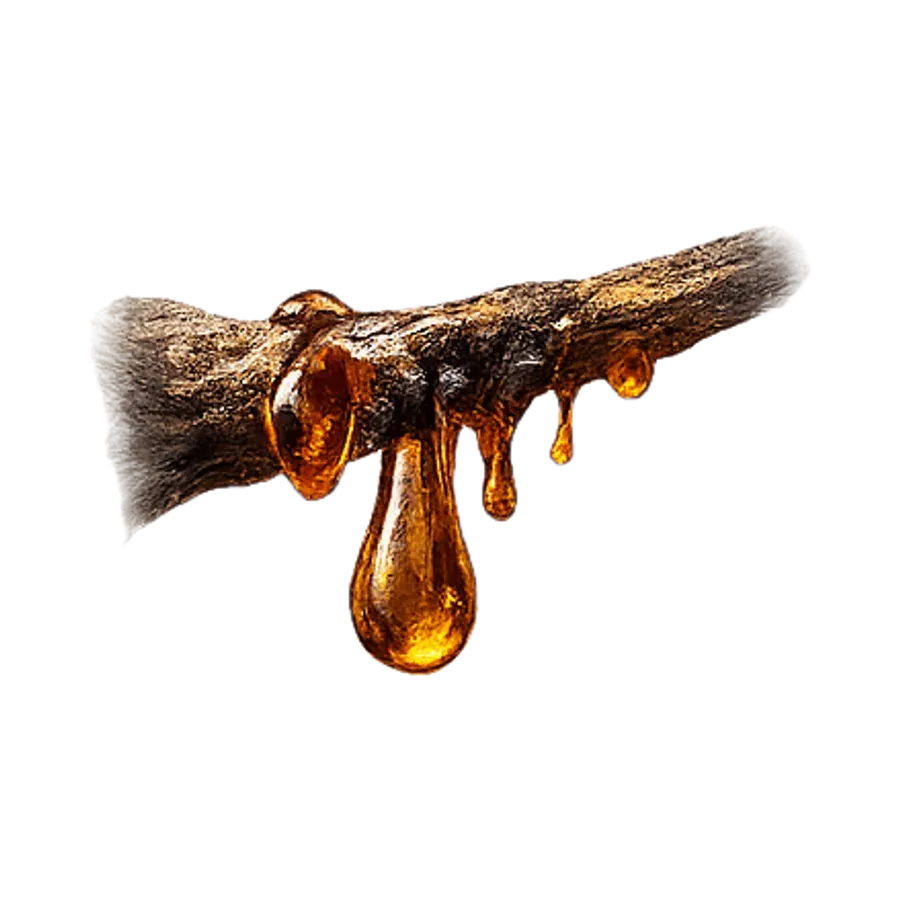
Read this way, the page is no longer a list of fourteen words. It is a sequence: bright, then warm, then deep, with saffron and cashmere wood doing the quiet work of making each step lead to the next. Every fragrance in the collection can be read the same way, and the families guide is the place to see what the heart notes say about where a fragrance belongs.
Why the Same Notes Can Smell Nothing Alike
Eight fragrances in the house carry bergamot in their opening and white musk in their base, and no two of them are confused for each other. The reason is everything the list leaves out: how much bergamot, which bergamot, what it sits beside, and what the heart does once the bergamot has gone.
LUCIDE sets its bergamot beside mandarin and neroli and follows it with black tea and ginger, so it stays bright and dry into the heart. CLARTE sets the same note beside cardamom and pink pepper and follows it with an amber accord and tobacco, so the brightness is an introduction to warmth. The list says bergamot in both. The composition says two different things, which is why the house prints the full pyramid on every page and still asks you to wear a tester before you choose.
How to Read a Note List at the Counter
Three habits make a note list useful rather than decorative.
Read the heart first. The opening will be gone before you have decided anything, and the base is what you will live with, but the heart is what the fragrance is about; if the heart notes do not appeal to you on paper, the bottle will not either. Then read the base for weight: resins, woods and musks mean warmth and closeness in the evening, while a base of light musk alone means the fragrance will stay quiet. Then read the opening last, as the invitation, not the promise.
And treat accords as the perfumer’s signature rather than as ingredients. Where a page says amber accord or aquatic accord, a perfumer built that smell, and it will differ from every other house’s version of the same word. The amber guide shows how far one accord can travel across five fragrances.
For a broader account of how perfumes are constructed, Britannica’s entry on perfume is a sound starting point, and Fragrantica remains the most useful public record of how note lists are read by the people wearing them.
Fragrance Notes Explained: Your Questions Answered
What are fragrance notes?
The named smells in a composition, listed in the order they arrive on skin: top notes first and briefly, heart notes through the middle of the wear, base notes last and longest. A note may be one material or several blended to smell like the thing named.
What is the difference between a note and an accord?
A note is a single recognisable smell, such as bergamot. An accord is several materials built to read as one new smell, such as amber or an aquatic accord, the way a chord in music is heard before its individual notes. Accords are the perfumer’s own work and differ from house to house.
Which notes last longest?
The base notes: resins such as labdanum and benzoin, woods such as sandalwood and cedar, musks, and the modern amber materials. They are the heaviest molecules in the formula, leave the skin slowest, and are what remains in the evening. Citrus and light aromatics in the opening leave first.
Why do two perfumes with the same notes smell different?
Because a note list says nothing about proportion, pairing or quality of material. Bergamot beside neroli and black tea reads bright and dry; the same bergamot beside cardamom and an amber accord reads as an introduction to warmth. The composition, not the list, is the perfume.
Why do I not smell every note on the list?
Some notes are there to shape others rather than to be noticed on their own: a trace of pepper that keeps a citrus from reading sweet, a musk that keeps a base close to the skin. Some arrive only after the opening has gone. And some people cannot smell certain materials at all, musk above all, which is inherited and permanent.
How should I read a note list before buying?
Heart first, for what the fragrance is about; base second, for how warm and close it will be in the evening; opening last, as the invitation. Then wear a tester through a full day, because the list is a map and your skin is the territory.